When Ahmed designed his first logo on a computer, the colors looked bright and vibrant on screen. But when he printed it, the colors appeared dull and slightly different. Confused, he discovered the difference between CMYK and RGB a key concept in design and printing.
The difference between CMYK and RGB lies in how colors are created and displayed. RGB is used for digital screens, while CMYK is used for printing. Understanding the difference between CMYK and RGB is essential for designers, students, and marketers. In fact, knowing the difference between CMYK and RGB can save time, money, and ensure your colors appear exactly as intended across different platforms.
Key Difference Between the Both
The main difference between CMYK and RGB is:
- CMYK: A color model used for printing, based on ink (Cyan, Magenta, Yellow, Black)
- RGB: A color model used for digital screens, based on light (Red, Green, Blue)
Why Is Their Difference Important for Learners and Experts?
Understanding the difference between CMYK and RGB is crucial in design, printing, and digital media. For learners, it helps create accurate visuals. For professionals, it ensures color consistency across devices and printed materials. In society, it improves communication in advertising, branding, and media production.
Pronunciation
- CMYK
- US: /ˌsiː.em.waɪˈkeɪ/
- UK: /ˌsiː.em.waɪˈkeɪ/
- RGB
- US: /ˌɑːr.dʒiːˈbiː/
- UK: /ˌɑː.dʒiːˈbiː/
Let’s explore the difference between CMYK and RGB in detail.
H2: Difference Between CMYK and RGB
1. Color System
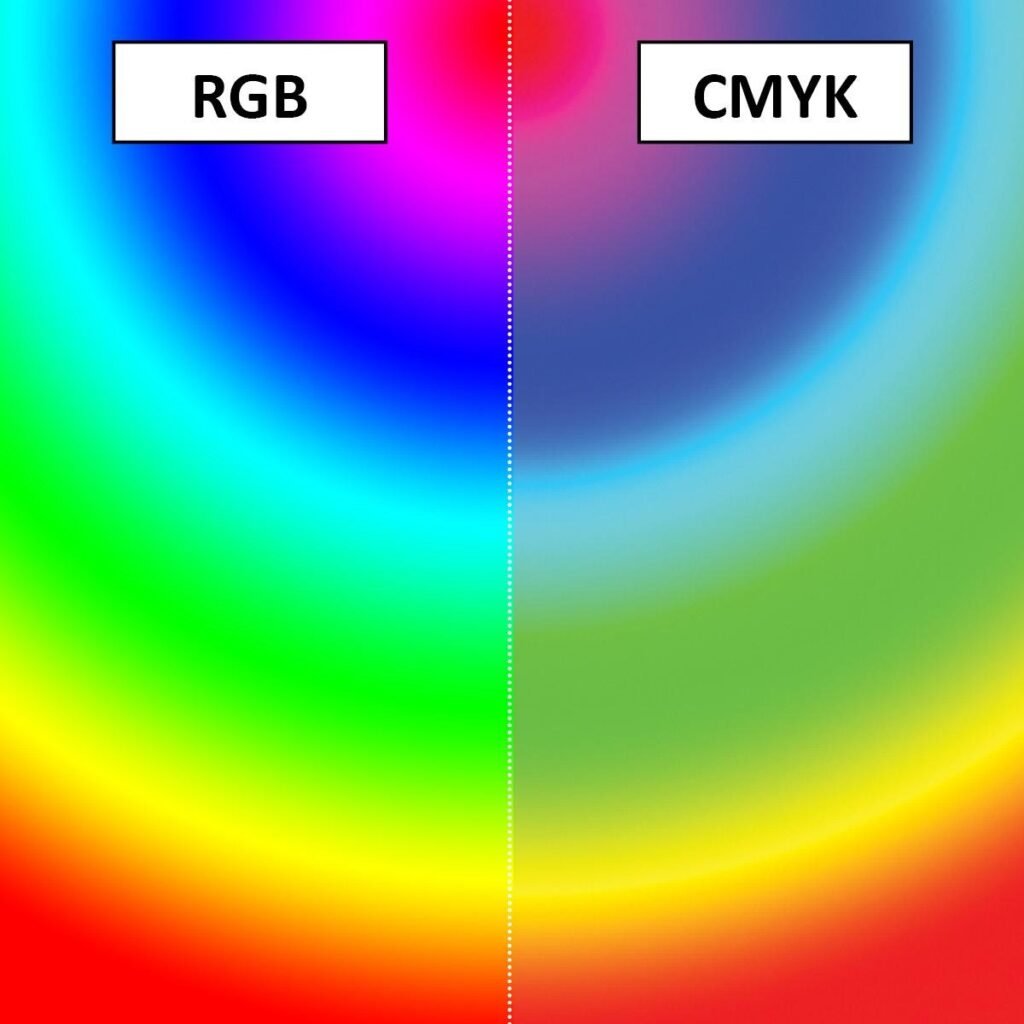
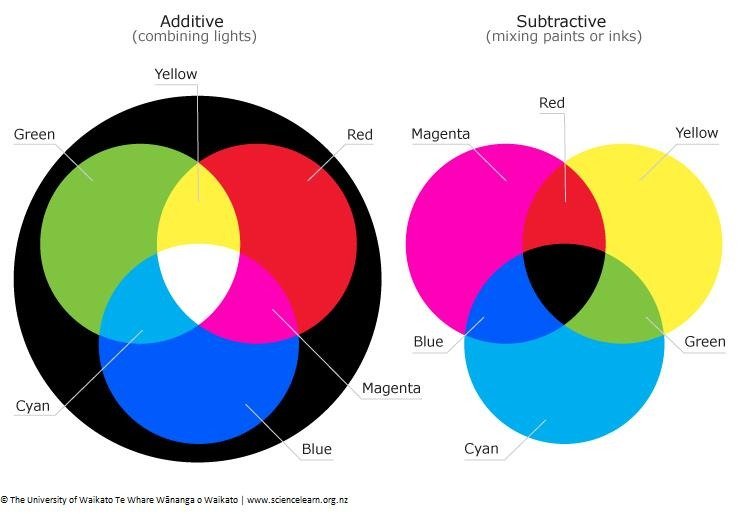
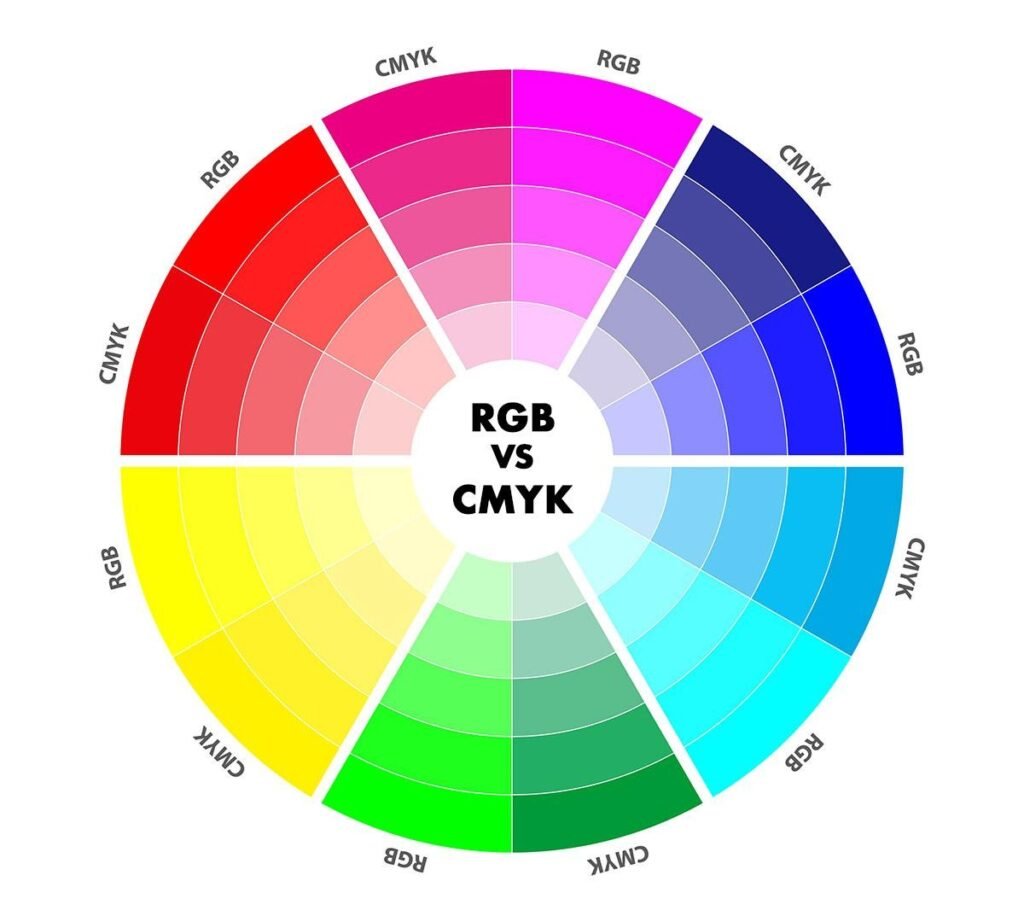
- CMYK: Subtractive color model (uses ink)
Examples:- Printing brochures
- Magazine pages
- RGB: Additive color model (uses light)
Examples:- Computer screens
- Mobile displays
2. Primary Colors
- CMYK: Cyan, Magenta, Yellow, Black
Examples:- Ink cartridges
- Printer colors
- RGB: Red, Green, Blue
Examples:- LED pixels
- Screen displays
3. Usage
- CMYK: Print media
Examples:- Business cards
- Posters
- RGB: Digital media
Examples:- Websites
- Social media graphics
4. Color Brightness
- CMYK: Less vibrant
Examples:- Matte print finish
- Limited brightness
- RGB: More vibrant
Examples:- Bright screens
- Glowing colors
5. Color Range (Gamut)
- CMYK: Smaller color range
Examples:- Cannot produce neon colors
- Limited shades
- RGB: Wider color range
Examples:- Neon colors possible
- Rich gradients
6. Mixing Process
- CMYK: Colors are created by absorbing light
Examples:- Ink layers overlap
- Darker tones formed
- RGB: Colors are created by emitting light
Examples:- Combining lights
- White = all colors
7. Black Color Creation
- CMYK: Uses separate black ink (K)
Examples:- Deep black text
- Print clarity
- RGB: Combines all colors for black
Examples:- Screen pixels off
- Dark display
8. File Preparation
- CMYK: Required for printing files
Examples:- PDF for print
- Print-ready designs
- RGB: Default for digital files
Examples:- PNG images
- Web graphics
9. Cost Impact
- CMYK: Printing cost depends on ink usage
Examples:- More colors = higher cost
- Ink consumption
- RGB: No printing cost
Examples:- Digital display only
- No physical material
10. Conversion
- CMYK: Conversion from RGB may lose brightness
Examples:- Dull printed colors
- Color shifts
- RGB: Conversion from CMYK may look different
Examples:- Brighter screen version
- Adjusted tones
Nature and Behaviour
- CMYK:
Practical, ink-based, and limited in brightness. Designed for physical output. - RGB:
Vibrant, light-based, and dynamic. Designed for digital displays.
Why People Are Confused About Their Use?
People often confuse CMYK and RGB because both deal with colors. However, the difference lies in their medium print vs digital, which is not always obvious to beginners.
Comparison Table
| Feature | CMYK | RGB |
| Type | Subtractive | Additive |
| Use | Printing | Screens |
| Brightness | Lower | Higher |
| Colors | Cyan, Magenta, Yellow, Black | Red, Green, Blue |
| Similarity | Both create colors | Both used in design |
Which Is Better in What Situation?
CMYK is better when you are preparing designs for printing. It ensures accurate color output on paper and helps avoid unexpected color changes.
RGB is better for digital use, such as websites, videos, and social media. It provides brighter and more vibrant colors, making visuals more attractive on screens.
Metaphors and Similes
- CMYK:
“CMYK is like painting with real ink on paper.” - RGB:
“RGB is like mixing colorful lights in the air.”
Connotative Meanings
- CMYK: Neutral (practical, professional printing)
Example: “CMYK ensures print accuracy.” - RGB: Positive (bright, modern, digital)
Example: “RGB colors look vivid on screens.”
Idioms or Proverbs
- “True colors”
- Example: RGB shows the true colors on screens.
- “Black and white.”
- Example: CMYK printing often starts with black and white drafts.
Works in Literature
- Interaction of Color – Josef Albers (Art/Design, 1963)
- Color and Light – James Gurney (Art, 2010)
Movies Related to Visual Design
- Helvetica (2007, USA)
- Abstract: The Art of Design (2017, USA – series)
FAQs
1. What is the main difference between CMYK and RGB?
CMYK is for printing, while RGB is for digital screens.
2. Which is more vibrant?
RGB is more vibrant.
3. Can RGB be used for printing?
It can be converted, but results may vary.
4. Why does print look dull?
Because CMYK has a smaller color range.
5. Which should I use for logos?
Use RGB for digital and CMYK for print versions.
How Both Are Useful for the Surroundings
Both CMYK and RGB play a vital role in communication, RGB for digital media and CMYK for printed materials like books and advertisements.
Final Words for Both
CMYK and RGB are essential color systems with different purposes. Understanding both ensures better design results.
Conclusion
In conclusion, the difference between CMYK and RGB lies in how colors are created and where they are used. CMYK is ideal for printing, while RGB is perfect for digital displays. By understanding the difference between CMYK and RGB, designers and learners can achieve accurate and visually appealing results across all platforms.