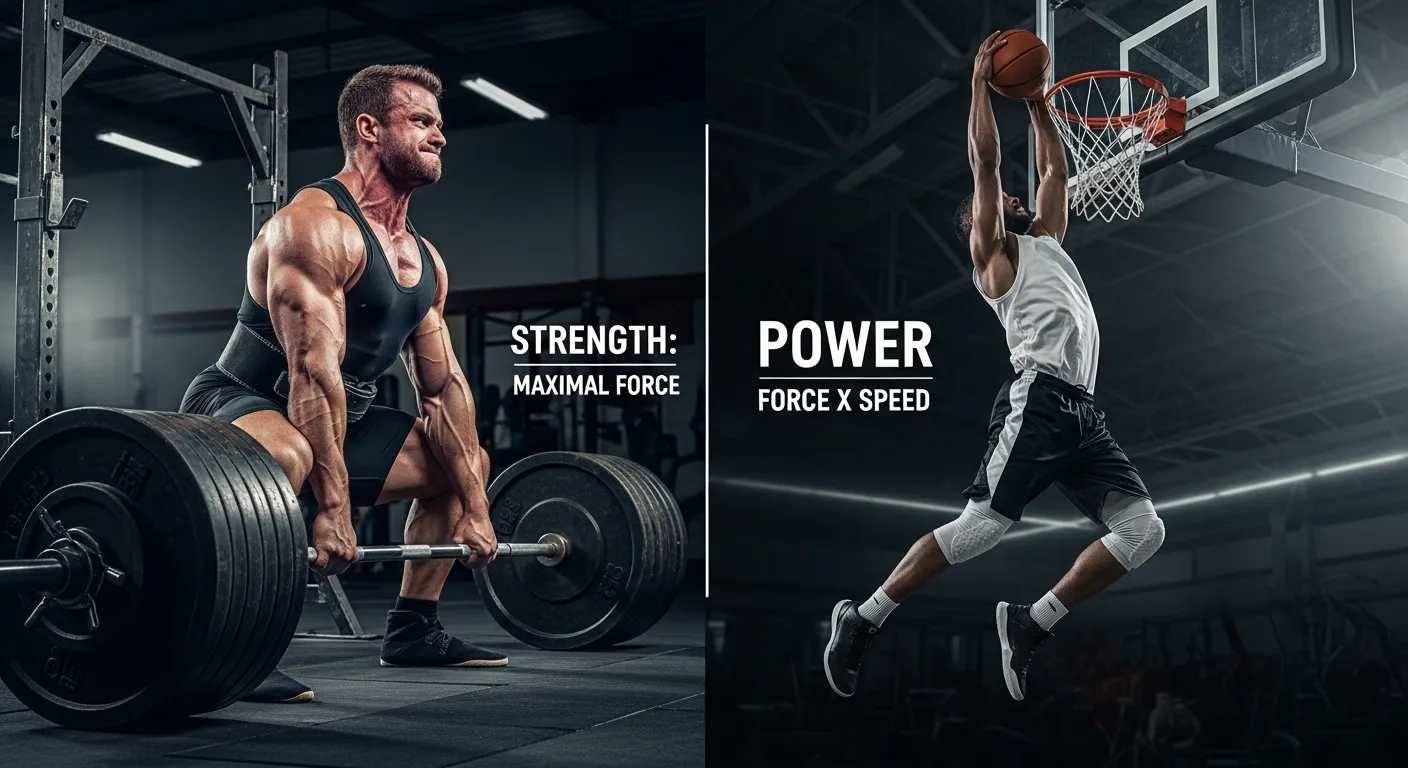
In everyday conversation, people often use the words “power” and “strength” interchangeably, but they have distinct meanings. Imagine an athlete lifting a heavy weight—strength refers to the ability to lift the weight, while power describes how quickly they can lift it. Similarly, in leadership, a person may have the strength of character to endure challenges, while their power lies in the ability to influence and lead others. Understanding the difference between power and strength is important for students, athletes, professionals, and anyone interested in personal development. This article will explore their meanings, differences, examples, and how both concepts are used in language and literature.
Pronunciation
- Power: US /ˈpaʊər/, UK /ˈpaʊə/
- Strength: US /strɛŋθ/, UK /strɛŋθ/
Linking Hook: Now that we understand the basic meanings, let’s explore the key differences between power and strength in more detail.
H2 Difference Between Power and Strength
1. Definition
- Power: The ability to influence, act, or produce an effect.
- Example 1: A CEO has the power to make strategic decisions.
- Example 2: A sprinter generates explosive power during a race.
- Strength: The physical or mental ability to withstand force or pressure.
- Example 1: Weightlifters have the strength to lift heavy weights.
- Example 2: A person shows emotional strength in difficult times.
2. Nature
- Power: Dynamic and action-oriented.
- Example 1: Lightning strikes with immense power.
- Example 2: Political power can change nations.
- Strength: Static and enduring.
- Example 1: The bridge has structural strength to hold weight.
- Example 2: A community demonstrates strength in adversity.
3. Measurement
- Power: Often measured by speed × force or influence.
- Example 1: Engine power in horsepower.
- Example 2: Social power measured by reach or authority.
- Strength: Measured by capacity or resistance.
- Example 1: Maximum weight a person can lift.
- Example 2: Tensile strength of steel.
4. Scope of Use
- Power: Can be physical, social, political, or mechanical.
- Example 1: Solar power generates electricity.
- Example 2: Leadership power motivates a team.
- Strength: Mainly physical, mental, or emotional.
- Example 1: Muscle strength for athletes.
- Example 2: Inner strength to overcome loss.
5. Duration
- Power: Short-term bursts of effectiveness.
- Example 1: An explosion shows immense power but lasts for seconds.
- Example 2: Quick, decisive action in battle demonstrates power.
- Strength: Long-lasting, enduring ability.
- Example 1: Lifting weights repeatedly over months.
- Example 2: Long-term patience requires strength.
6. Source
- Power: Often derived from energy, position, or skill.
- Example 1: Engine power comes from fuel.
- Example 2: A manager’s power comes from authority.
- Strength: Comes from the body, mind, or materials.
- Example 1: Muscle strength comes from training.
- Example 2: Concrete strength comes from proper composition.
7. Expression
- Power: Expressed as action or impact.
- Example 1: Punching with power.
- Example 2: Influencing a large group with decisions.
- Strength: Expressed as endurance or capability.
- Example 1: Holding a position against pressure.
- Example 2: Mental resilience in adversity.
8. Role in Sports
- Power: Important for explosive performance.
- Example 1: A sprinter uses leg power for a fast start.
- Example 2: Boxer throws a powerful punch.
- Strength: Important for sustained performance.
- Example 1: A weightlifter needs core strength.
- Example 2: A marathon runner’s leg strength helps endurance.
9. Role in Leadership
- Power: Ability to enforce or influence decisions.
- Example 1: The CEO has the power to change the company policy.
- Example 2: A political leader wields power to enact a law.
- Strength: Moral or ethical capacity to withstand challenges.
- Example 1: The leader shows strength in tough negotiations.
- Example 2: Courage during crises demonstrates strength.
10. Outcome
- Power: Produces immediate effect or change.
- Example 1: Engine power accelerates the car.
- Example 2: Influence changes public opinion.
- Strength: Sustains performance over time.
- Example 1: Strength enables long-distance cycling.
- Example 2: Emotional strength supports long-term relationships.
Nature and Behaviour
- Power: Active, forceful, and impact-oriented.
- Strength: Enduring, steady, and capacity-oriented.
Why People Are Confused
The confusion arises because both can relate to physical force or personal ability. Power is about impact; strength is about capacity.
Table: Difference and Similarity
| Feature | Power | Strength | Similarity |
| Definition | Ability to act or influence | Capacity to endure or resist | Both imply capability |
| Duration | Short-term bursts | Long-term endurance | Both improve with training |
| Scope | Both are essential for athletes | Physical, mental, emotional | Physical, social, political, and mechanical |
| Expression | Action or impact | Endurance or capability | Both can affect outcomes |
| Role in Sports | Explosive performance | Sustained performance | Both essential for athletes |
Which is Better in What Situation?
Power is better for tasks that require immediate impact, speed, or influence, like sprinting or decision-making. Strength is better for long-term performance, endurance, and resilience, like marathon running or handling prolonged challenges. Both complement each other for optimal performance in life, sports, and leadership.
Use in Metaphors and Similes
- Power: “His words had the power of a storm, shaking everyone around.”
- Strength: “Her strength was like a mountain, unyielding through hardships.”
Connotative Meaning
- Power: Can be positive (ability to effect change) or negative (control over others).
- Strength: Generally positive, implies capability and resilience.
Idioms or Proverbs
- “Knowledge is power” – emphasizes influence from learning.
- “Strength of character” – highlights moral resilience.
- “Might is right” – relates to misuse of power.
- “Inner strength carries one through” – emphasizes mental endurance.
Literature Featuring the Keywords
- The Power of One (Fiction, Bryce Courtenay, 1989) – explores personal power.
- StrengthsFinder 2.0 (Self-help, Tom Rath, 2007) – focuses on developing personal strengths.
Movies About the Keywords
- The Power (1968, USA) – explores psychic and social power.
- Unbroken (2014, USA) – highlights human strength and endurance.
FAQs
1. Are power and strength the same?
No, power is impact or ability to act, strength is the capacity to endure or resist.
2. Can you have strength without power?
Yes, a person may endure challenges without exerting immediate influence.
3. Is power always physical?
No, power can be social, political, or mental.
4. How do athletes develop power vs strength?
Power: explosive exercises like sprints or jumps.
Strength: resistance training and endurance workouts.
5. Can strength enhance power?
Yes, greater strength often improves the potential for power.
How Both Are Useful for Surroundings
Power and strength are essential for human performance, leadership, and social dynamics. Power enables change and impact, while strength ensures sustainability, resilience, and long-term capability.
Final Words
Understanding the difference between power and strength helps in sports, leadership, personal development, and everyday decision-making. Both are complementary and vital for balanced growth.
Conclusion
Power and strength, though related, serve different roles. Power is dynamic and action-oriented, producing immediate results, while strength is enduring and capacity-focused, sustaining performance over time. Recognizing the difference enhances personal growth, athletic performance, leadership ability, and emotional resilience. By combining power and strength effectively, individuals can achieve both short-term impact and long-term endurance, ensuring success in multiple aspects of life.