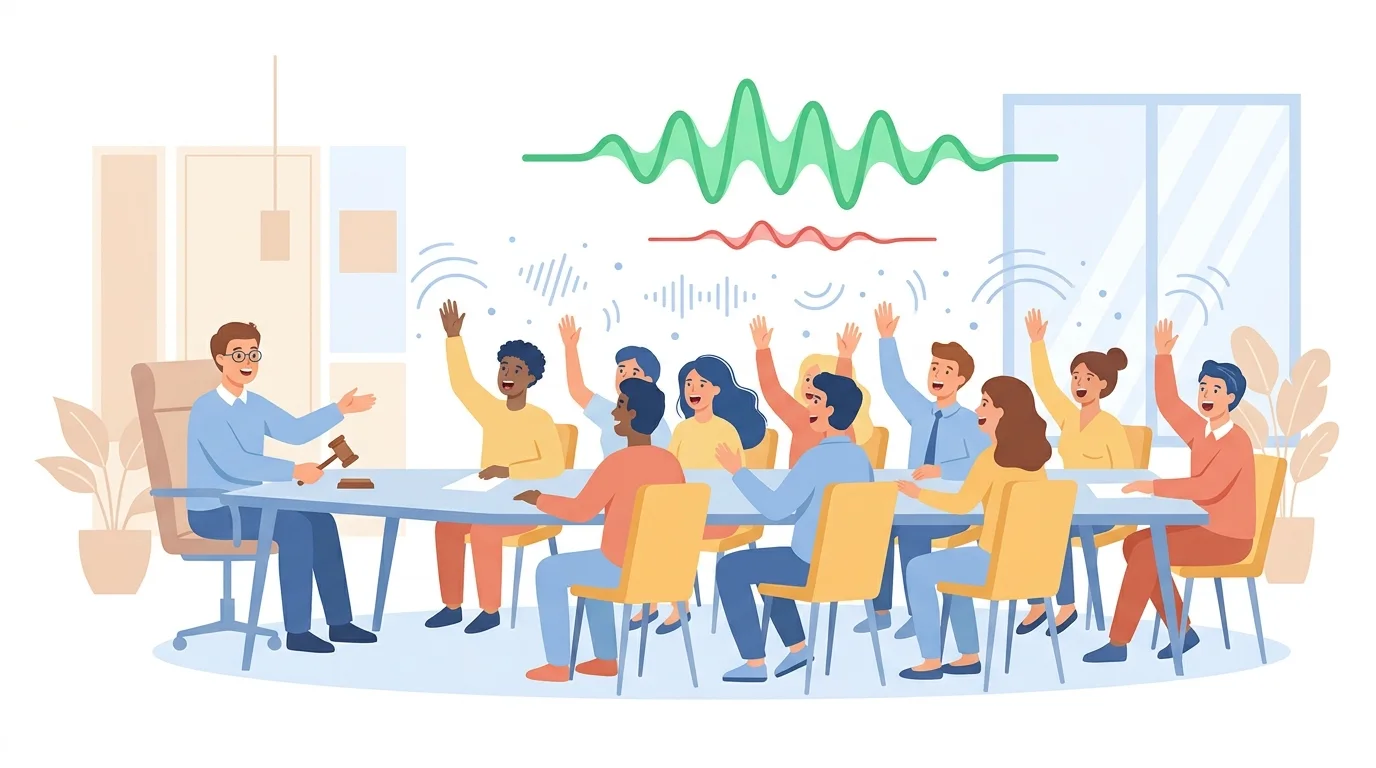
Have you ever watched a meeting where someone calls out “all in favor, say aye,” and a loud chorus answers? A moment later, the leader says, “The ayes have it.” It sounds old-fashioned and a little formal. It also leaves many people wondering what just happened.
The ayes have its meaning simply: the people who voted “yes” won. The “ayes” were louder or more numerous than the “noes,” so the idea passes. That is the whole core of it.
People search for this phrase after hearing it in news clips, movies, school clubs, or government meetings. In this guide, you will learn what it means, how voice votes work, where the phrase came from, and how to use it correctly without sounding silly.
The Ayes Have It Meaning in Simple Words
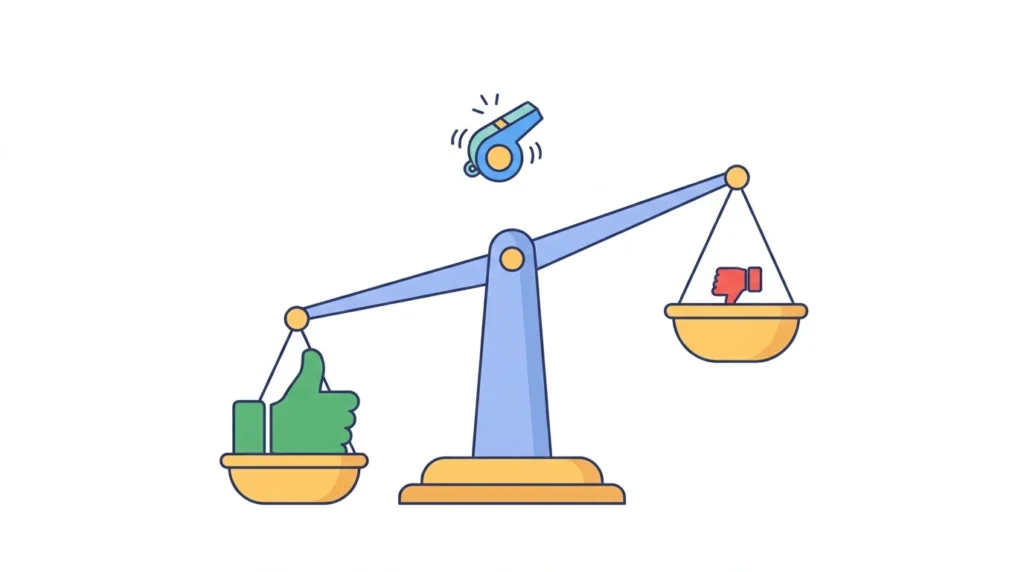
When a leader says “the ayes have it,” they are announcing that the “yes” votes won. Think of it like a referee blowing a whistle at the end of a game. It tells everyone the result so the group can move on.
The word “aye” means “yes.” The word “have” works here like “hold” or “own.” So the phrase says the yes side holds the win. Another way to say it in plain talk would be, “The yes votes won.”
The phrase is used at the end of a voice vote. In a voice vote, nobody writes anything down. People simply speak their answers out loud. The person running the meeting listens, decides which side was louder, and then names the winner.
The opposite phrase is “the ones have it.” That means the “no” side won, and the idea does not pass. Both phrases do the same job. One just announces a win for yes, and the other announces a win for no.
Here is a quick table to keep the basics straight.
| Phrase | What It Means | Result |
| The ayes have it | The “yes” side won | The idea passes |
| The noes have it | The “no” side won | The idea fails |
| All in favor, say aye | The leader asks for “yes” votes | Voting starts |
| All opposed, say no | The leader asks for “no” votes | Voting continues |
What Does “Aye” Actually Mean?
“Aye” is an old word for “yes.” It is said just like the word “eye,” as in the part of your body you see with. The plural, “ayes,” sounds like “eyes.” That is why the phrase can sound funny the first time you hear it. It is also why some people make the joke, “The eyes have it.”
You may know “aye” from other places too. Sailors on ships have long said “aye aye, sir.” That means, “I understand, and I will do it.” In parts of Scotland and northern England, people still use “aye” as an everyday way to say yes. A friend there might answer, “Aye, that sounds good,” and nobody would think it strange.
In a vote, though, “aye” has a very exact job. It means you support the idea being voted on. If someone asks, “Should we pay for new books?” and you say “aye,” you are saying yes to the books.
The opposite of “aye” is “no.” When many people say it together, the group is called the “noes.” The word “noes” looks odd, but it is just the plural form of “no.” You can think of it as “the no votes.”
How a Voice Vote Works, Step by Step
A voice vote is one of the oldest and fastest ways to decide something. It works well when a group needs to make many small decisions quickly. Here is how it usually goes.
First, someone suggests an idea. In a formal meeting, this idea is called a “motion.” For example, a member might say, “I’m going to hold the bake sale on Saturday.” Another member must usually “second” it, which means they agree it should be talked about.
Next, the group talks about it. People share reasons for and against. When the talking is done, the leader gets ready to call the vote.
Then the leader says something like, “All in favor, say aye.” Everyone who supports the idea answers at the same time. The room is filled with the word “aye.”
After that, the leader says, “All opposed, say no.” Now the people who disagree answer out loud. The leader listens carefully to both sides.
Finally, the leader decides which side sounded stronger. If the “yes” side was louder, the leader says, “The ayes have it.” If the “no” side was louder, the leader says, “The noes have it.” Then the leader may add, “The motion is adopted,” or “The motion fails.” That final line makes the result official.
What Happens When Someone Disagrees With the Result?
Sometimes the room is split, and the sound is close. Maybe the leader says “the ayes have it,” but several people feel the “no” side was just as loud. In that case, the rules of most groups let a member speak up and ask for a better count.
This request has different names in different places. You may hear “I call for a division,” or “I ask for a roll call,” or simply “I doubt the result.” Once someone asks, the group switches to a method that counts people one by one. Then the result is clear, and no one has to guess.
This safety step matters a lot. It keeps voice votes honest. A leader cannot just announce a result that feels wrong and move on, because any member can ask for a fair recount.
Also, remember that “the ayes have it” is not always the final step in huge decisions. Some important choices need more than a simple majority. For example, a group might need two out of every three people to agree before it can change its own rules. In those cases, the leader must make sure the right amount of support exists before announcing the win.
Other Ways to Vote and When Groups Use Them
A voice vote is only one tool. Groups pick the method that fits the situation. Quick and low-risk choices usually get a voice vote. Big or close choices usually get a more careful method.
| Voting Method | How It Works | Best Used When |
| Voice vote | People say “aye” or “no” out loud | The choice is simple or not close |
| Show of hands | People raise a hand for yes, then for no | The group is small and needs a rough count |
| Rising vote | People stand up for yes, then for no | The voice vote was too close to call |
| Roll call | Each person’s name is called, and they answer | The choice is serious and needs a record |
| Secret ballot | People write votes on paper | Privacy matters, such as picking a leader |
Where You Will Hear the Phrase Today
The phrase is most famous in lawmaking bodies. In the United States Congress, leaders often use voice votes for smaller matters. The presiding officer asks for the ayes and the noes, then announces the result. Bigger or closer questions usually get a recorded vote, where each lawmaker’s choice is written down. In recorded votes, you will often hear the older pair “yeas” and “nays” instead of “ayes” and “noes.”
In the United Kingdom’s Parliament, the House of Commons also uses the phrase. The Speaker asks for the ayes and the noes. If anyone challenges the result, the House holds a “division.” Members then walk through separate hallways, one for “aye” and one for “no,” and they are counted as they pass. The House of Lords is different. Lords say “content” for yes and “not content” for no, so you will not usually hear “the ayes have it” there.
Outside government, the phrase pops up in many smaller places. School boards, city councils, clubs, church groups, neighborhood associations, and company boards all use it. Many of these groups follow a famous rulebook called Robert’s Rules of Order. That book explains voice votes in plain steps, and it helped spread the phrase across the country.
Here is a quick look at how American and British habits compare.
| Place | Words for Yes and No | Example Announcement |
| U.S. voice vote | Aye and no | “The ayes have it.” |
| U.S. recorded vote | Yea and nay | “The yeas and nays are ordered.” |
| UK House of Commons | Aye and no | “I think the Ayes have it.” |
| UK House of Lords | Content and not content | “The Contents have it.” |
Origin and History of the Phrase
The word “aye” has been in English for a very long time. Language experts believe it showed up in written English in the 1500s. Even so, nobody knows for sure where it began. Some think it may have grown out of the old word for “I,” while others link it to an older word meaning “always.” Because the evidence is not clear, it is best to say its exact roots are uncertain.
What we do know is that British lawmakers used voice votes for centuries. The habit of announcing results with “the ayes have it” grew naturally from that practice. When people from Britain settled in North America, they brought their meeting customs along. That is why American legislatures, courts, and clubs still use similar words today.
The phrase has lasted because it works. It is short, easy to say, and clear to everyone in the room. Even though everyday English moved on from “aye,” meeting rules kept it, much like some old traditions stay alive in sports or weddings.
Real-Life Examples
Seeing the phrase in action makes it easier to remember. Here are a few simple situations.
Imagine a school student council wants to hold a movie night. The president says, “All in favor of a movie night, say aye.” Most students shout “aye.” Then the president says, “All opposed, say no.” Only two people mumble “no.” The president says, “The ayes have it. We will hold a movie night.”
Now picture a neighborhood meeting about adding a stop sign. The leader asks for the ayes, and many voices answer. Then she asks for the notes, and almost as many voices answer back. She cannot tell who won. She says, “The chair is in doubt. We will take a show of hands.” Everyone raises a hand, the count is made, and a clear winner appears.
People also use the phrase for fun. A family might vote on what to eat for dinner. Dad says, “All in favor of pizza, say aye!” The kids cheer, and Mom laughs and says, “The ayes have it.” Nobody is holding a formal meeting, but the playful use still shows the right meaning: the yes side won.
Common Mistakes to Avoid
Even though the phrase is short, people trip over it in a few ways. Knowing them helps you write and speak with confidence.
The first mistake is mixing up the spelling. Some people write “the eyes have it.” That version is usually a joke or a pun, not the correct spelling. When you mean the vote phrase, use “ayes.”
The second mistake is thinking “ayes” means a single vote. It does not. “Ayes” is a plural word that names the whole group of yes voters. One person’s vote is an “aye.” Many of them together are “the ayes.”
The third mistake is mixing word pairs. The traditional pairs are “ayes and noes” and “yeas and nays.” Mixing them, as in “ayes and nays,” is not wrong in casual talk, but it sounds less polished in formal writing. Keep each pair together when you can.
The fourth mistake is using the phrase at the wrong time. It fits after a voice vote, when people called out their answers. It does not fit after a written ballot or an online poll, since nobody spoke. In those cases, simply say the idea passed.
The fifth mistake is saying the phrase before the “no” side has a chance. A good leader always asks for both sides. Calling the result too early can upset members and, in formal groups, can even break the rules.
Tips for Using the Phrase Well
If you ever lead a meeting, a few simple habits will help. Ask for the “yes” votes first, then the “no” votes. Speak clearly and wait a moment between the two. Listen before you decide who won. If it is close, do not guess. Use a show of hands or a standing vote instead.
When you write, match the tone to the setting. In a news story, you might say, “The council approved the plan on a voice vote.” In a story with a lively feel, you can quote the leader directly: “The ayes have it.” Either choice works, as long as the meaning stays clear.
If you just enjoy the phrase in daily life, go ahead and have fun with it. It makes a good joke for choosing a restaurant, picking a movie, or settling a friendly argument. Just remember that the real meaning is always the same: more people said yes.
For new readers, one last idea is helpful. Treat the phrase as a signal that a decision has been made. Once you hear it, the discussion is over, and the group moves to the next item. That small cue keeps meetings moving and keeps everyone on the same page.
FAQs
What does “the ayes have it” mean in simple words?
It means the “yes” votes won. The leader of the meeting said it after hearing that more people called out “aye” than “no.” The idea then passes.
What does “the nose have it” mean?
It means the “no” votes won, so the idea does not pass. It is the opposite announcement, used when the “no” side sounded stronger.
How do you say “aye” and “ayes”?
“Aye” sounds like “eye,” and “ayes” sounds like “eyes.” The spelling looks different from the sound, which is why many people feel unsure the first time they see it.
Is “the ayes have it” used in the United States?
Yes. American lawmakers, school boards, city councils, and clubs all use it. It appears most often after voice votes, though recorded votes often use “yeas” and “nays” instead.
Can someone challenge the result?
Yes. In most groups, a member can ask for a better count if the voice vote seems too close. The group may then use a show of hands, a standing vote, or a roll call.
Is it the same as “yea” and “nay”?
It is very close in meaning, but the pairs are used a bit differently. “Ayes and noes” often go with voice votes. “Yeas and nays” often go with recorded votes where each person’s answer is written down.
Conclusion
So, what does the ayes have in its meaning? It is a short way of announcing that the “yes” side won a voice vote. The leader asks for the ayes, then the notes, listens, and names the winner. If the sound is close, members can ask for a fair count, which keeps the process honest.
You now know where the phrase is used, how it differs from other voting styles, and how to avoid common mistakes. You also know a little of its history, even though some details remain uncertain.
The best advice is to keep it simple. Use the phrase after a spoken vote, ask for both sides, and never rush the result. Do that, and you will sound clear, fair, and confident every time you hear or say it.