A happy ending massage means a massage that ends with a sexual act, usually offered for extra money. It is not a normal part of any real massage. In most places, it is also against the law.
Many people search for this phrase after hearing it in a movie, a joke, or a news story. Others are curious because a friend mentioned it. Some are worried because a massage place asked them an odd question. All of these are fair reasons to look it up.
In this guide, you will learn what the term means, where the idea comes from, and what the law says. You will also learn the risks, the warning signs, and how to book a safe massage. The goal is to give you clear, honest facts in plain words.
Quick Answer
A happy ending massage is slang for a massage that finishes with sexual activity. The worker offers it, often for a tip or an added fee. The phrase is a polite-sounding code word for something that is not a real massage service.
Real massage therapy is health care and relaxation work. It uses touch to ease sore muscles, lower stress, and help the body move better. Sexual contact is not part of that work. A licensed therapist who offers it is breaking the rules of the job. In the United States, doing it for money is usually a crime.
Happy Ending Massage Meaning in Simple Words
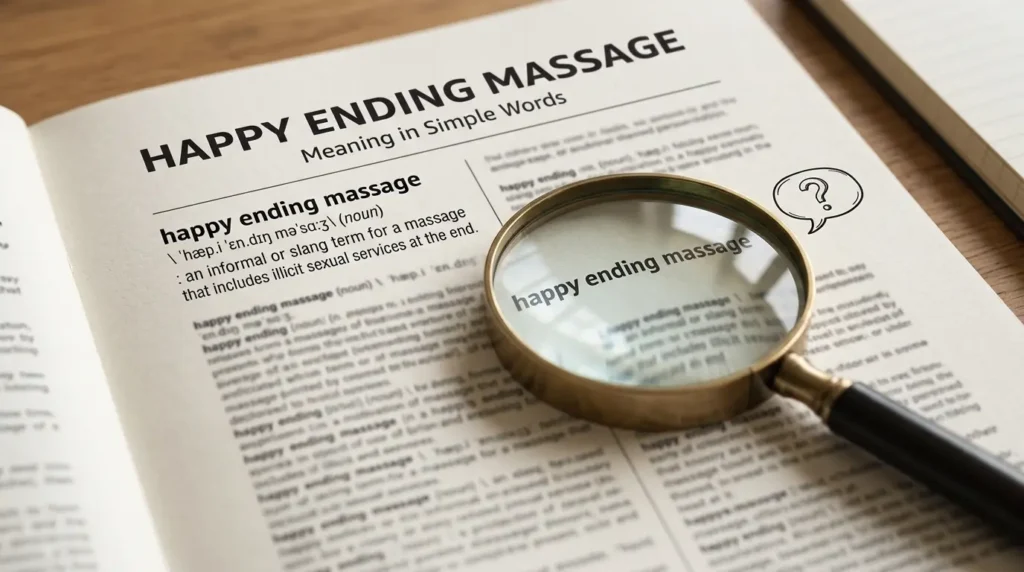
Think of the phrase in two parts. “Massage” is the normal service. “Happy ending” is the secret extra. The word “happy” is a joke, and the word “ending” means the extra comes at the end of the session.
People use this slang because they want to talk about sex without saying it out loud. Business owners and workers use it too, because it sounds less risky than plain words. That is also why the phrase shows up in jokes, movies, and TV shows. Those jokes can make it seem harmless and funny. In real life, it is neither. It sits in a gray zone of crime, danger, and sometimes forced work.
Here is how the term is different from other words people mix up with it.
| Term | What it means | Is it a real massage service? |
| Swedish massage | Gentle, flowing strokes for relaxation | Yes |
| Deep tissue massage | Firm pressure for tight muscles | Yes |
| Sports massage | Care for athletes and active people | Yes |
| Happy ending | Sexual act at the end of a session | No |
| Erotic massage | Massage meant to be sexual | No, and often illegal |
The table shows the main point. The first three are health and wellness services. The last two are about sex, not healing.
What a Normal Massage Is Supposed to Look Like
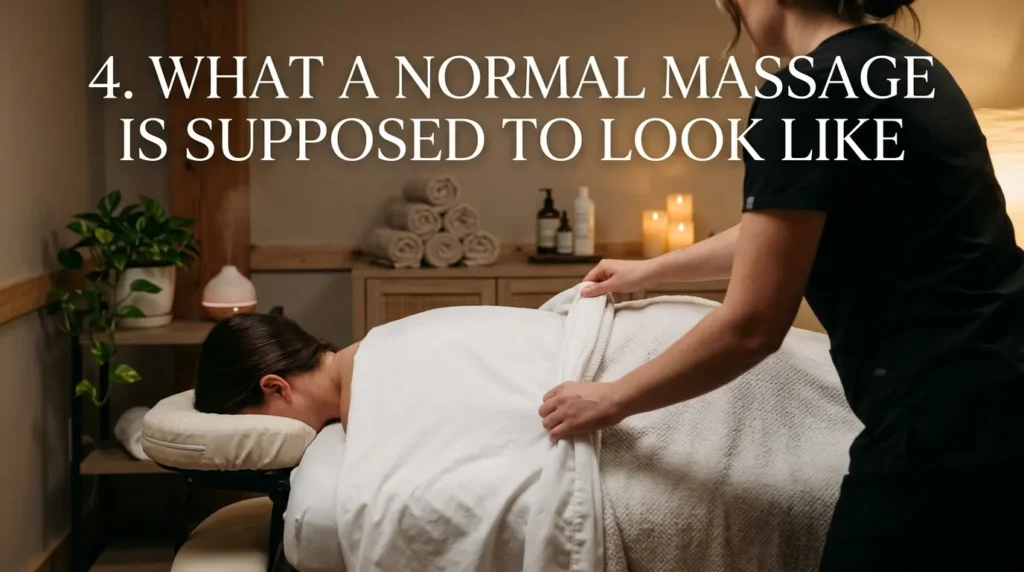
Many people have never had a massage, so they do not know what is normal. That makes it easier to feel confused or pressured. A real massage follows clear rules.
You usually start by filling out a short form about your health. The therapist asks where you feel pain or tension. You then undress only as much as you feel comfortable with, and you stay covered by a sheet or towel. The therapist uncovers just the part of the body they are working on, which is called draping. Private areas stay covered the whole time.
The therapist talks with you in a calm, professional way.
If a session feels different from this, pay attention to that feeling. Your comfort matters more than being polite.
Where the Term Comes From
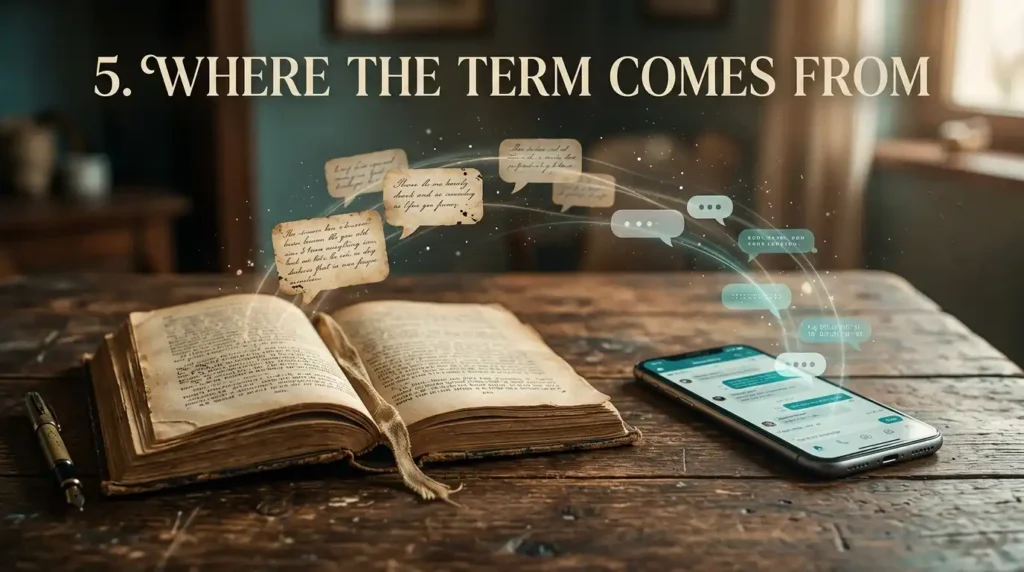
Many websites claim to know exactly where “happy ending” began. The truth is that there is no reliable record of who first used it with massage. The phrase likely comes from the older, everyday use of “happy ending,” which means a story that finishes well. Over time, people twisted it into a joke about sex.
It is safe to say the phrase became common in everyday English in recent decades. It spread through casual talk, comedy, and media. Beyond that, anyone who gives you a neat origin story is probably guessing. It is better to admit what we do not know than to make something up.
Is a Happy Ending Massage Legal?
In nearly all of the United States, paying for sexual acts is illegal. That includes when it happens inside a massage room. Laws about prostitution apply to both the person selling and the person buying. Depending on the state, the charge can be a misdemeanor or something more serious.
There is one well-known exception. A small number of counties in Nevada allow licensed brothels. Those are not massage businesses, and they follow strict rules. Outside of that narrow case, the law is clear.
Laws also change, and each state has its own details. If you need exact legal information, talk to a licensed lawyer or check your state’s official website. This article is general information, not legal advice.
Here is a quick look at who can face problems.
| Person | What can go wrong |
| Client | Arrest, fines, a public record, a damaged reputation |
| Licensed therapist | Loss of license, fines, criminal charges |
| Business owner | Closure, heavy fines, possible felony charges |
| Worker in an illegal shop | Arrest, and sometimes real danger from the people controlling them |
Notice that the last row says “danger.” That leads to the most serious part of this topic.
The Hidden Risks Most People Do Not Think About
A lot of people treat this subject as a joke. The reality is more serious, for several reasons.
Human trafficking. Some illegal massage businesses are run by criminal groups. Workers in these places may be forced to perform sex acts. They may be trapped by debt, threats, or fear. Groups that fight trafficking, such as the Polaris Project, have reported that illicit massage businesses are a known problem in the United States. A customer who pays for a “happy ending” may be paying a business that harms the person in the room.
Legal trouble. Police do run sting operations at suspicious massage businesses. People caught buying sex can be arrested, named in the news, and sometimes lose their jobs.
Health risks. Sexual contact can spread infections. Illegal shops do not follow health and safety rules, so the risk is higher.
Scams and theft. Some places promise extras to get you in the door. Then they overcharge you, push you to pay more, or take your money and give nothing. Some customers have also been robbed or blackmailed afterward.
Harm to real therapists. Licensed massage therapists work hard to be seen as health professionals. Many get unwanted requests and harassment because of this slang. It makes their jobs harder and sometimes unsafe.
Warning Signs of an Illegal Massage Business
You do not need to be an expert to spot trouble. Certain signs show up again and again. One sign alone does not prove a place is illegal. Several together should make you leave.
Look out for these red flags:
- Windows covered up so no one can see inside
- Open very late at night or around the clock
- Ads that talk about “body rub” or hint at extras
- No clear list of services, prices, or licenses
- Workers who seem scared, cannot speak freely, or appear to live at the shop
- A front door that stays locked, so you must be buzzed in
- Staff who ask for cash only and offer “special” services
A real business is proud to show its license and welcomes questions about its therapists.
Real-Life Examples
Stories help make this clear. These are made-up examples, but they match what people often report.
Imagine a man named Dan who is sore from work. He books a cheap massage from an online ad. The place has blacked-out windows and a buzzer. The worker hints at an “extra” for more money. Dan feels uncomfortable and leaves. That was the right call, and the warning signs were there from the start.
Now picture Maria, a licensed massage therapist. A new client asks her if she offers “something extra” and laughs about it. Maria calmly says her practice only offers therapeutic massage, and the session ends right there. She has every right to do that. Many therapists have a clear policy because this happens more than people think.
The last example is different. A woman named Lena books a massage at a spa inside a well-known hotel. The therapist shows her license, explains the draping, and checks the pressure often. Lena leaves relaxed. This is what normal looks like.
Common Mistakes and Myths
Many people believe things about this topic that are not true. Here are a few of the biggest ones.
“It is just a harmless extra.” It is not harmless if it is illegal, unsafe, or connected to trafficking.
“Everyone knows it is okay if you ask politely.” Asking a licensed therapist for this is a serious insult. It can also get them in trouble.
“The worker is there by choice.” You cannot know that. In some places, workers have no real choice.
“Tipping makes it legal.” Money does not change the law. Paying for sex is still paying for sex.
“If I only go once, nothing will happen.” One visit during a police sting can still lead to an arrest.
How to Find a Safe and Professional Massage
The good news is that safe massage is easy to find when you know what to look for. Most people just want to relax, and there are plenty of honest places that make that possible.
Start by choosing a licensed therapist. Most US states require a license, and many have a free online lookup tool. The Federation of State Massage Therapy Boards and the American Massage Therapy Association are good places to learn how licensing works.
Then check reviews from many sources, not just one site. Read what real customers say about the staff and the setting. A professional place will list services and prices openly. It will also explain its rules about draping and privacy.
Ask questions before you book. Good questions include “Are your therapists licensed?” and “What types of massage do you offer?” A professional business will answer without fuss.
Finally, trust your gut. If a session ever feels wrong, you can speak up, get dressed, and walk out. You do not owe an explanation.
What to Do If Someone Offers You a Happy Ending
If a worker hints at extras, you can say no calmly and clearly. Something simple works, like “I only want a regular massage.” If they keep pushing, end the session and leave. You can also ask for a refund for the part you did not receive.
If you think someone is being forced to work, do not try to rescue them alone. Leave safely, and call the National Human Trafficking Hotline at 1-888-373-7888. You can also text 233733. The hotline is free, and you can use it any time.
If you are a therapist who gets this kind of request, you can set boundaries and end the session. Many clinics post a short notice saying that they offer therapeutic massage only. Your state licensing board can also help if a client crosses a line.
Current Usage and Trends
Today, the phrase shows up mostly in comedy, memes, and casual jokes. Because of that, some younger people hear it before they understand what it means. This is one reason clear information matters.
At the same time, awareness has grown. News stories, police operations, and anti-trafficking groups have drawn more attention to illicit massage businesses. Many cities now check massage shops more closely. Some require stricter licenses, set limits on late hours, or demand clearer signs. Booking apps and review sites also help people find licensed, trusted therapists faster.
The trend points in one direction. Real massage is moving toward more professional standards, and the joke-based view of the industry is slowly fading.
FAQs
1. What does “happy ending massage” mean?
It means a massage that ends with a sexual act, usually for extra money. It is slang, and it is not a real massage service.
2. Is a happy ending massage illegal in the USA?
In almost all places, yes. Paying for or selling sexual acts is a crime in most states. Only a small number of licensed brothels in parts of Nevada are an exception, and they are not massage businesses.
3. Do licensed massage therapists offer happy endings?
No. Licensed therapists provide health and relaxation services. Offering sexual acts can cost them their license and may lead to criminal charges.
4. Is it normal to be asked about extras at a massage place?
No. A real massage business does not hint at sexual extras. If it happens, treat it as a warning sign and leave.
5. How can I tell if a massage business is legitimate?
Look for a visible license, clear prices, a list of services, open windows, and professional staff. Also check reviews and your state’s licensing website.
6. What should I do if I think a worker is being forced to do this?
Leave safely and call the National Human Trafficking Hotline at 1-888-373-7888. Do not confront anyone yourself.
Conclusion
The happy ending massage is simple: it is slang for a sexual act offered at the end of a massage, and it is not a real massage service. In most of the United States, it is illegal. It can also bring risks like arrest, health problems, scams, and links to human trafficking.
Real massage is something different. It is a professional service that helps people heal, relax, and feel better in their bodies. You can enjoy it safely when you choose licensed therapists, check reviews, and watch for red flags.
The best advice is easy to remember. Pick places that are open and proud of their credentials. Say no firmly if someone offers extras, and walk out if you feel unsafe. Your comfort, safety, and good judgment always come first.