You just got a text back that says “kk,” and now you’re wondering what your friend actually meant. Is it just “ok” typed twice? Are they annoyed with you? Should you be worried? The truth is much simpler than you think. “Kk” is one of the most common pieces of text slang out there, and once you understand where it comes from and how people use it, you’ll never second-guess it again. In this guide, we’ll break down the real kk meaning in text, show you how tone changes its meaning, and help you avoid the common mistakes people make when using it in conversations.
Quick Answer
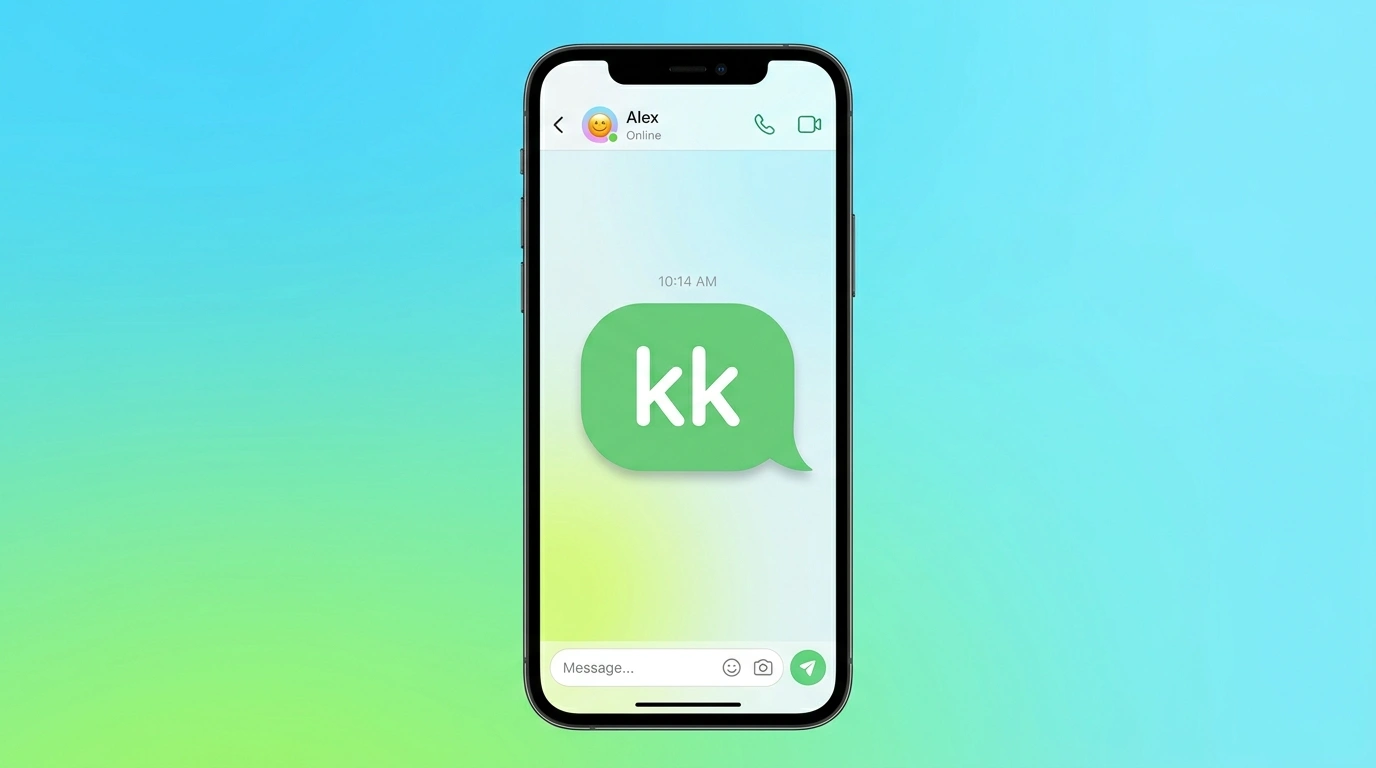
“Kk” in text simply means “okay” or “okay, got it.” It’s a casual, shortened way to confirm you understood something or agree with a plan. Most people use it to end a conversation on a light, friendly note. It is not usually meant to sound rude or sarcastic, though tone and context can sometimes change how it comes across.
Meaning or Definition
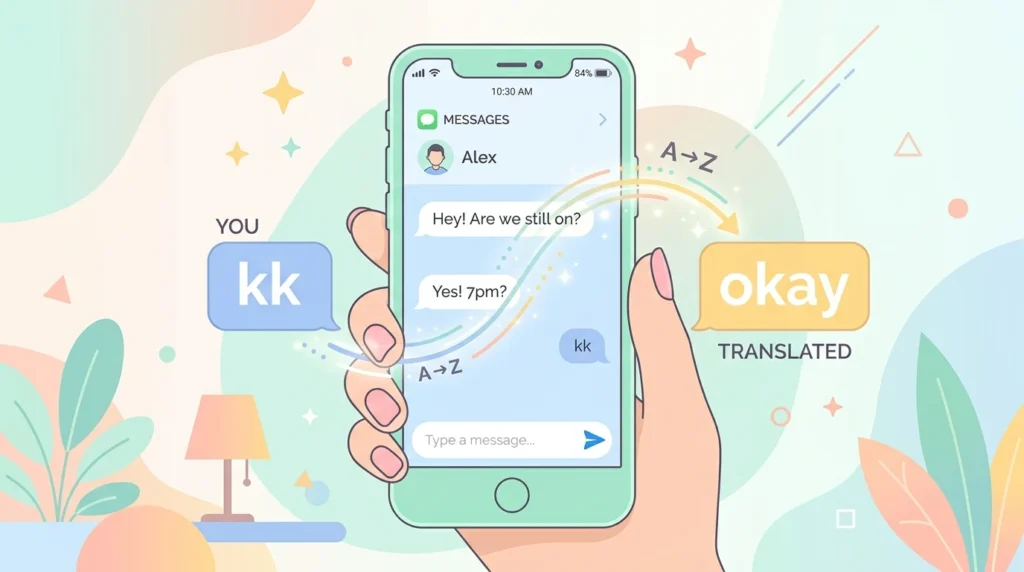
At its core, “kk” is just a doubled-up version of “k,” which itself is a shortened form of “okay.” Texting culture has always favored speed over spelling, and “kk” fits perfectly into that world. Instead of typing out four letters for “okay,” people often just tap out two.
Some people wonder if “kk” stands for something more complicated, like an acronym with hidden meaning. It doesn’t. There’s no secret phrase behind it. It’s simply a texting shortcut that grew out of the same habits that gave us “lol,” “brb,” and “omw.” The doubling of the letter is mostly stylistic. Typing “kk” instead of just “k” softens the response and makes it feel a little more friendly and conversational, rather than short and clipped.
You’ll mostly see “kk” used to confirm plans, acknowledge information, or wrap up a text exchange. For example, if someone texts “I’ll pick you up at 7,” a simple “kk” lets them know you saw the message and you’re on the same page.
Grammar or Correct Usage
“Kk” doesn’t follow traditional grammar rules because it’s slang, not a formal word. Still, there are some general patterns people follow when using it correctly in conversation.
It works best as a standalone reply. You wouldn’t usually build a full sentence around it, like “I am feeling kk about this.” Instead, it stands on its own, similar to how you’d use “okay” or “sure” by itself. It’s also almost always written in lowercase. Capitalizing it, like “KK,” can sometimes change the tone and make it feel more intense or even shouty, which isn’t how most people intend it.
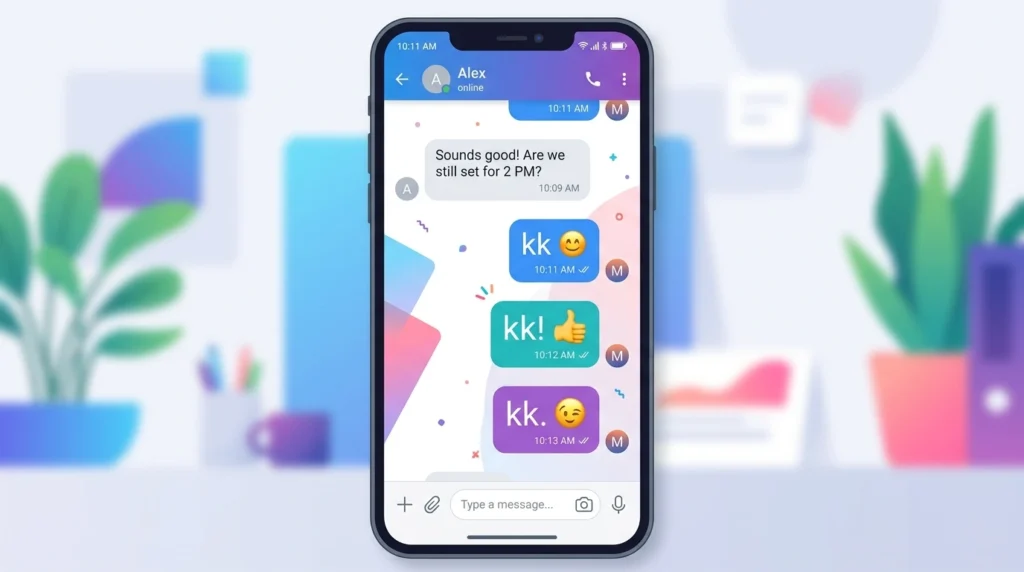
Punctuation matters more than people realize. A plain “kk” feels neutral and casual. Adding a period, like “kk.” can make it feel a little flat or even slightly cold, depending on the conversation. Adding an exclamation point, like “kk!” usually makes it feel upbeat and friendly. This is a great example of how such a tiny piece of text can carry very different emotional weight depending on small formatting choices.
| Format | Common Tone | Example Use Case |
| kk | Neutral, casual | Confirming a simple plan |
| kk! | Friendly, upbeat | Agreeing enthusiastically |
| kk. | Flat, possibly distant | Ending a conversation quickly |
| KK | Emphasized, sometimes intense | Rare, often misread as annoyed |
| k | Very short, can feel curt | Quick acknowledgment, sometimes seen as cold |
Origin or History
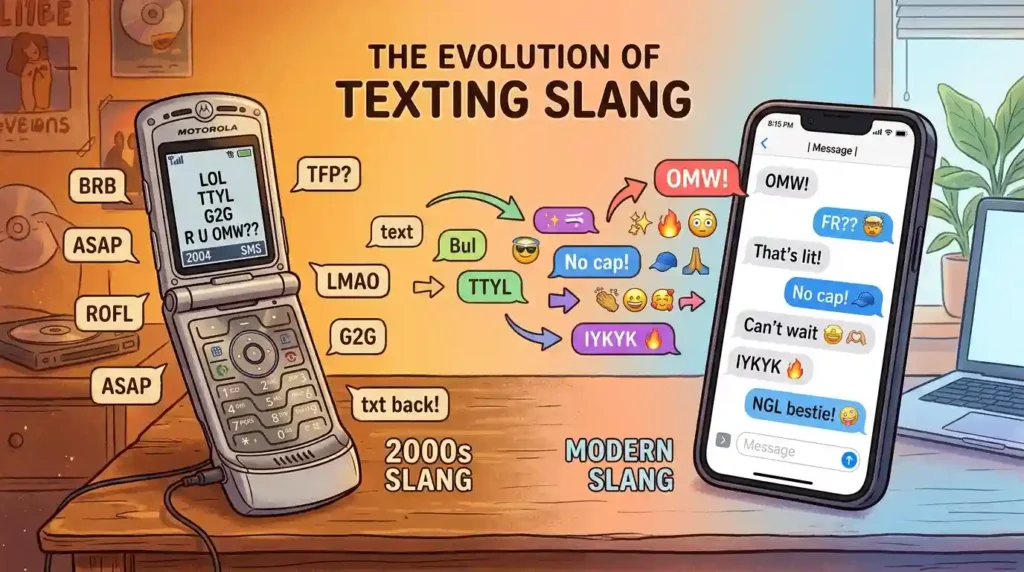
Texting slang like “kk” grew out of the early 2000s, when text messages were limited to a small number of characters and people paid per message on many phone plans. Shortening words wasn’t just trendy, it was practical. “Okay” became “k,” and eventually “kk” became a popular variation that felt a bit warmer and less abrupt than the single letter.
As texting apps and smartphones became more common, character limits stopped being a real concern. But the habit stuck around because it had already become part of everyday digital conversation. Instant messaging platforms in the 2000s, like AIM and early chat rooms, also helped spread short slang terms like this one, since fast typing was a valued skill in group chats and instant conversations.
Today, “kk” has become so normal that most people don’t even think about where it came from. It’s simply part of the shorthand vocabulary that makes texting quick and easy.
Common Mistakes People Make
One of the biggest mistakes people make is assuming “kk” always means the same thing regardless of context. Tone in text messages is tricky because you can’t hear a person’s voice or see their face. A short “kk” from a close friend during a lighthearted conversation usually means nothing more than “sounds good.” But that same “kk” during an argument or tense conversation might feel dismissive, even if the sender didn’t mean it that way.
Another common mistake is confusing “kk” with sarcasm. Some readers assume that anytime someone replies with just “kk” instead of a full sentence, they must be annoyed or shutting the conversation down. In reality, most people use it simply because it’s fast and doesn’t require much thought. It’s important to look at the full conversation, not just the two letters, before assuming a hidden meaning.
People also sometimes mix up “kk” with other similar-looking abbreviations, like “kek” (an internet slang term tied to laughter, especially in gaming communities) or “K.K.” as a name reference in certain video games or pop culture. These are completely different from the simple, everyday “kk” used to mean “okay.”
Real-Life Examples
Seeing “kk” in real conversations helps make its meaning click. Here are a few common examples of how it shows up in everyday texting.
If a friend says, “Meeting moved to 3pm instead of 2,” a simple reply of “kk, see you then!” shows agreement and keeps things friendly. If a coworker sends, “I’ll email you the file today,” replying “kk, thanks” confirms you’re on the same page without needing a long response.
In more casual friend groups, you might see exchanges like this: “Are we still doing pizza tonight?” followed by “kk yeah, 7 works.” Here, “kk” isn’t replacing a full thought, it’s simply smoothing out the flow of a quick, informal exchange.
On the flip side, imagine someone asks, “Can we talk about what happened yesterday?” and the only reply is “kk.” Without more context, this can feel short or even a little cold, since bigger or more sensitive topics usually call for a fuller response. This is a good example of why context always shapes how “kk” lands.
Current Usage or Trends
“Kk” remains one of the most widely used texting abbreviations across age groups, especially among younger texters who grew up with smartphones and instant messaging apps. It shows up across platforms like text messages, Instagram DMs, Snapchat chats, and group messaging apps.
That said, some newer slang has started to blend with or replace it in certain online spaces. Terms like “bet,” “say less,” or simple emoji reactions (like a thumbs-up or checkmark emoji) are sometimes used instead of typing “kk” altogether, especially in fast-paced group chats. Still, “kk” hasn’t disappeared. It remains a reliable, easy-to-understand way to confirm something quickly, and its simplicity is exactly why it continues to stick around in everyday texting habits.
| Platform | Common Use of “kk” |
| Text Messages (SMS) | Confirming plans or acknowledging info |
| Instagram DMs | Quick, casual replies in ongoing chats |
| Snapchat | Fast confirmations between friends |
| Group Chats | Agreeing to plans without long replies |
| Workplace Chat Apps | Less common, often replaced with “okay” or “got it” for professionalism |
Tips or Best Practices
If you want to use “kk” naturally without confusing the people you’re texting, a few small habits go a long way. Pay attention to who you’re texting. It works great with close friends and casual conversations, but it can feel too informal in professional messages or with people you don’t know well.
Add small touches when you want to soften the tone even further. Something like “kk!” or “kk, sounds good” carries a friendlier feel than a plain “kk” on its own, especially in text threads where tone can be hard to read. If you’re on the receiving end of a “kk” and unsure how to take it, consider the rest of the conversation rather than reading too much into two letters by themselves.
Lastly, if you’re texting someone in a professional setting, like a boss, teacher, or client, it’s usually safer to type out “okay” or “sounds good” instead. While “kk” is harmless among friends, it can come across as too casual in more formal conversations.
FAQs
What does “kk” mean in a text message?
“Kk” is a short, casual way of saying “okay.” People use it to confirm plans, agree with something, or acknowledge a message quickly.
Is “kk” the same as “k”?
They mean the same basic thing, but “kk” often feels friendlier and softer, while a single “k” can sometimes come across as short or even slightly cold, depending on the conversation.
Does “kk” mean someone is mad at me?
Not usually. Most people use “kk” simply because it’s quick and easy to type. If you’re unsure about someone’s tone, it’s usually best to look at the whole conversation instead of just this one reply.
Is it okay to use “kk” in professional messages?
It’s generally better to avoid it in professional or formal settings. Typing out “okay” or “sounds good” comes across as more polished and respectful in workplace conversations.
Where did “kk” come from?
It grew out of early 2000s texting culture, when short character limits and fast typing habits made abbreviations like “k” and “kk” popular replacements for “okay.”
Is “kk” the same as “kek”?
No. “Kek” is a completely different internet slang term often linked to laughter, especially in gaming communities. “Kk” is simply a shortened way of saying “okay.”
Conclusion
At the end of the day, “kk” is one of the simplest and most common pieces of texting slang you’ll come across. It means “okay,” plain and simple, and it’s mostly used to confirm plans or wrap up a casual conversation. While tone and context can shift how it feels, in most everyday chats it’s nothing more than a quick, friendly way to say you’re on the same page. The next time you see “kk” pop up in your messages, you can reply with confidence, knowing exactly what it means and how to use it yourself. Keep it casual, save it for friendly conversations, and switch to a full “okay” when texting in more professional settings.