Off the wagon meaning: the phrase describes a person who goes back to a bad habit after trying to quit. Most often, it means someone started drinking alcohol again after a time of staying sober. But people also use it for diets, smoking, and other habits. If you heard this phrase in a movie, at work, or from a friend, you may be wondering what it really says. You are not alone. Many people look this phrase up every day. It sounds odd, and the picture behind it is not clear at first. In this guide, you will learn the plain meaning, where the phrase came from, how to use it in a sentence, and what to say instead. You will also see simple examples, helpful tables, and answers to common questions.
Quick Answer: What Does Off the Wagon Mean?
To be off the wagon means to return to a habit you had quit, most often drinking alcohol. If someone says, ‘He fell off the wagon last night,’ they mean he began drinking again after staying sober for a while. The phrase can also describe going back to junk food, cigarettes, or any habit a person was trying to leave behind.
Off the Wagon Meaning in Plain English
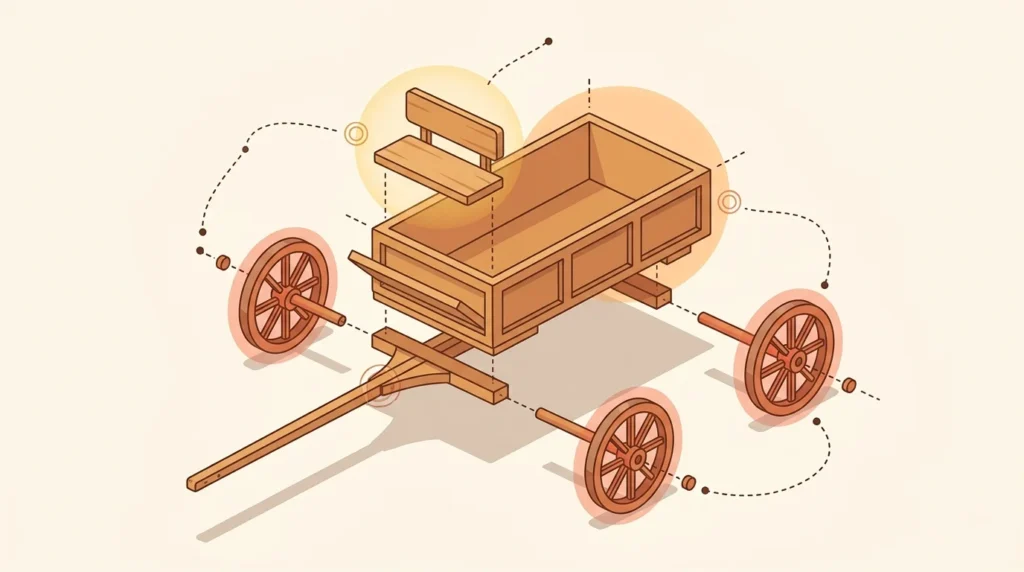
Let’s slow down and look at the phrase piece by piece. A wagon is a cart. In this phrase, the wagon stands for a safe place where a person stays away from a habit. When someone is ‘on the wagon,’ they are staying away from it. When they are ‘off the wagon,’ they have stepped down and gone back to the old habit.
The phrase is an idiom. An idiom is a group of words that means something different from the words alone. Nobody is really riding a cart. You cannot find the meaning by looking up each word. You have to know the phrase as a whole, like ‘kick the bucket’ or ‘piece of cake.’
Most of the time, the phrase is about alcohol. A person who decides to stop drinking is said to be ‘on the wagon.’ If that person has a drink again, they have ‘fallen off the wagon’ or ‘gone off the wagon.’ Both versions mean the same thing.
The phrase also carries a feeling. It suggests a slip, a step backward, or a moment of weakness. That is why people should use it with care, which we will talk about later in this guide.
Where Does the Phrase Come From?
The story behind this phrase is a fun one, though we should be honest: word experts do not agree on every detail. Here is what most sources share.
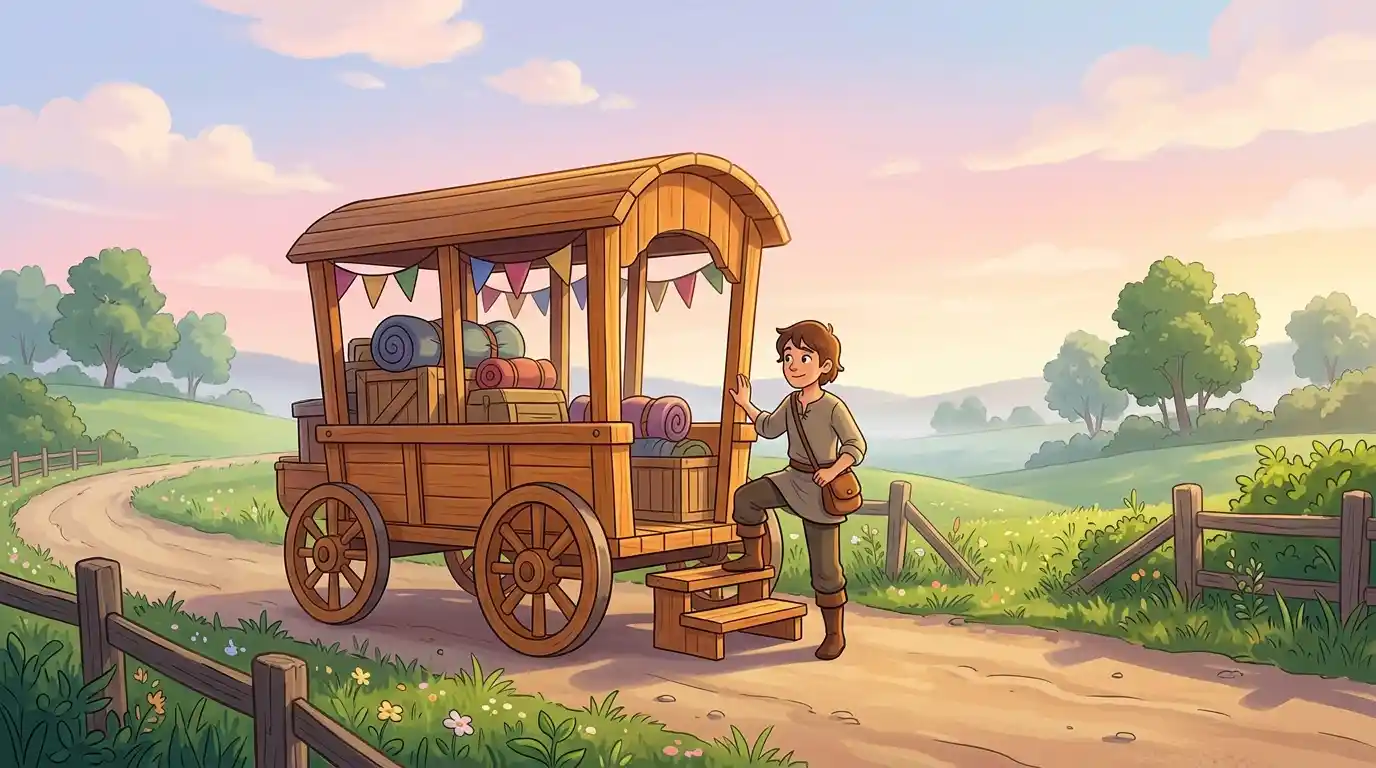
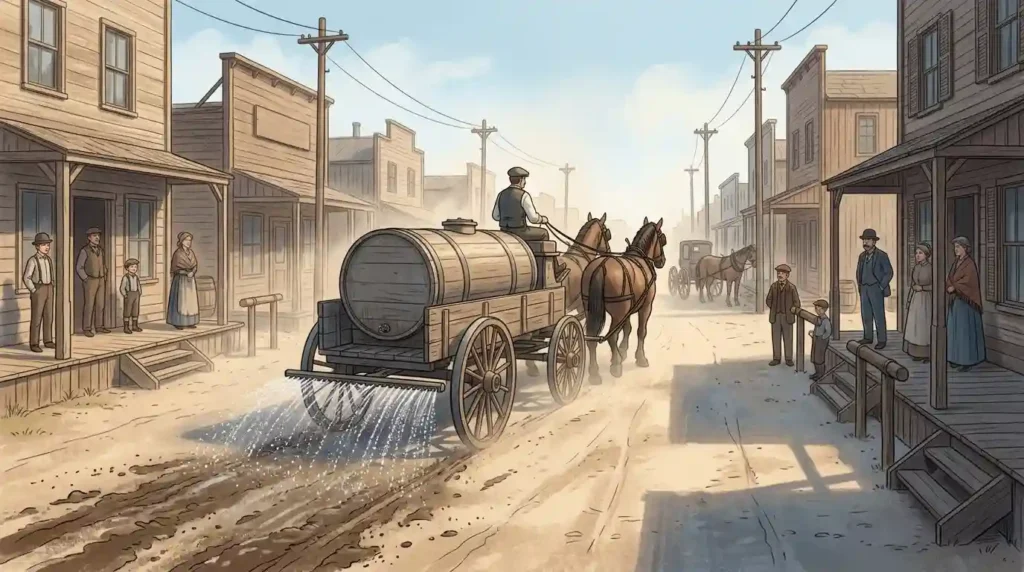
The phrase started as ‘on the water wagon.’ It showed up in the United States in the early 1900s. Back then, many towns had water carts that rolled down dusty dirt roads. The carts sprayed water on the ground to keep the dust down. They were a common sight in busy streets.
At the same time, the temperance movement was strong in America. This was a large group of people who wanted others to drink less alcohol or none at all. A person who promised to give up drinking was said to be ‘on the water wagon,’ meaning they would drink only water. Over time, people shortened it to ‘on the wagon.’
The opposite idea came naturally. If you climbed on the wagon to stay sober, you could also fall off it. So ‘off the wagon’ and ‘fall off the wagon’ became ways to say someone had started drinking again.
Some older stories say the phrase was first used for people who would rather drink water than liquor while a water cart passed by. These stories are fun, but they are hard to prove. What we can say safely is that the phrase grew from water wagons and the push to stop drinking in the early 20th century.
How to Use Off the Wagon in a Sentence
The phrase is easy to use once you see a few patterns. It is informal, so it fits best in daily talk, stories, and casual writing. You can use it with ‘be,’ ‘fall,’ or ‘go.’ The words change a little, but the meaning stays the same.
Here is a quick table to show the common forms.
| Form | Example Sentence | What It Means |
| on the wagon | Tom has been on the wagon for six months. | Tom is staying away from the habit. |
| off the wagon | Tom is off the wagon again. | Tom went back to the habit. |
| fall off the wagon | Tom fell off the wagon at the party. | Tom slipped and went back to the habit. |
| go off the wagon | Many people go off the wagon during the holidays. | Many people return to old habits. |
| back on the wagon | Tom is back on the wagon this week. | Tom quit the habit once more. |
Notice a small point about grammar. The word ‘wagon’ is a noun, and ‘on’ or ‘off’ acts as a small word that shows position. You say ‘on the wagon’ or ‘off the wagon,’ never ‘on a wagon’ when you mean the idiom. The word ‘the’ stays in the phrase.
You can also change the verb tense. You can say ‘He is off the wagon,’ ‘He fell off the wagon,’ or ‘He will probably fall off the wagon.’ It all works.
Off the Wagon vs. On the Wagon
These two phrases are opposites, and mixing them up is easy. Think of a real cart. When you are on it, you are riding along safely. When you are off it, you have left the ride.
So ‘on the wagon’ is good news in most cases. It means someone is staying away from a habit. ‘Off the wagon’ means they have returned to the habit. Some people also say ‘jump back on the wagon’ or ‘climb back on the wagon.’ Both mean a person is trying again.
It may help to see how these phrases compare with other ones people use.
| Phrase | Meaning | Example |
| on the wagon | Staying away from alcohol or another habit | She is on the wagon until summer. |
| off the wagon | Back to the old habit | He is off the wagon after a long break. |
| fall off the wagon | To slip and return to the habit | I fell off the wagon at the wedding. |
| relapse | A medical word for returning to a habit after getting better | The doctor talked about relapse in recovery. |
| slip up | To make a small mistake | I slipped up and ate cake. |
| back to square one | Starting again from the beginning | After the setback, he was back at square one. |
This table shows that ‘off the wagon’ is a friendly, everyday phrase, while ‘relapse’ is a more serious word used by doctors and counselors.
Off the Wagon Beyond Alcohol
The phrase began with drinking, but language grows and changes. Today, people use it for many habits. This is a normal path for idioms.
A person on a diet might say, ‘I fell off the wagon and ate a whole pizza.’ Someone who gave up smoking might say, ‘I was doing great, but I fell off the wagon at the party.’ A person who promised to stop spending money on online shopping might say, ‘I went off the wagon on Black Friday.’
In these cases, the tone is often playful. People use the phrase to joke about small slips. That is very different from using it for a serious drinking problem.
Still, it helps to remember where the phrase came from. If you use it for a diet or for shopping, it is usually fine. Just be careful when you talk about alcohol or drugs, because those habits can be deeply painful for people and their families.
Common Mistakes People Make With This Phrase
Even strong English speakers mix up this idiom. Here are the mistakes you will see most.
The first mistake is thinking that ‘off the wagon’ means someone is feeling free or happy. It does not. The phrase is about going back to a habit, not about being free of something.
The second mistake is mixing up ‘on’ and ‘off.’ If a friend says, ‘I am on the wagon,’ they are not drinking. If you answer, ‘Oh, so you are drinking again?’ you have the meaning backward.
The third mistake is taking the phrase word for word. Some learners picture an actual cart and get confused. Remember, this is an idiom, and the words do not mean what they say.
The fourth mistake is using the phrase in formal writing. A business report or school paper is a better place for plain words such as ‘relapse’ or ‘returned to the habit.’ Save ‘off the wagon’ for friendly talk.
The fifth mistake is saying it in a harsh way. If you say, ‘Look, he fell off the wagon again,’ it can sound like you are judging him. Tone matters a lot with this phrase.
Real-Life Examples You Might Hear
Examples make an idiom easier to learn. Here are some everyday ways you might hear it.
At work: ‘Our manager said she was off sugar, but she fell off the wagon when someone brought donuts.’ This is a light and funny use.
In a family: ‘My uncle was sober for two years. Then he fell off the wagon at his birthday. We are trying to help him get back on.’ This is a more serious use, and it shows caring.
In a movie: ‘The old detective had been on the wagon for a year, but the case pushed him back to drinking.’ Movies and books often use the phrase to show a character struggling.
With friends: ‘I told everyone I would stop drinking soda. Day four, I am already off the wagon.’ This is a funny, casual use.
In the news: A writer may say that a company ‘went off the wagon’ on spending after a time of cutting costs. Here the phrase is a joke about money.
You can see that the same phrase can feel funny, sad, or caring. The setting and the speaker’s tone decide how it lands.
Why Your Word Choice Matters
This part is important, so let’s talk about it kindly. Many people who stop drinking work very hard to do it. Doctors know that going back to old habits is common in recovery. It is not a sign that someone is bad or weak. It is often part of a long road.
Because of this, the phrase ‘fell off the wagon’ can sometimes sound unkind. It may sound like a person failed. If you are talking about a friend or family member, it can help to choose gentler words. You might say, ‘He had a hard week and started drinking again,’ or ‘She is going through a rough time.’
There is also a difference between joking about yourself and judging someone else. If you say it about yourself, it is often a way to be honest and a little funny. If you say it about another person, think about how they would feel hearing it.
The goal is not to avoid the phrase forever. It is a normal part of English. The goal is to use it with care and good sense.
Tips for Getting Back on the Wagon
Sometimes readers look up this phrase because they or someone they love has slipped. If that is you, here are some friendly, practical ideas. These are general tips and not medical advice.
First, be kind to yourself. A slip does not erase the progress you made. Many people try more than once before a change sticks.
Second, figure out what led to the slip. Was it stress, a party, a bad day, or being around certain people? Knowing the cause helps you plan for next time.
Third, tell someone you trust. A friend, a family member, or a support group can make a big difference. Saying the problem out loud often makes it feel lighter.
Fourth, set small goals. Instead of promising to never drink again for the rest of your life, try one day at a time. Small wins build strong habits.
Fifth, talk to a professional if the habit is serious. A doctor or counselor can offer real help. In the United States, the SAMHSA National Helpline offers free, private support at 1-800-662-4357, any day of the year. If you are outside the U.S., your local health service can point you to similar help.
Finally, remember that asking for help is a sign of strength. The road back is real, and many people walk it every day.
British vs. American English
This phrase works in both American and British English, but you may see small differences. In the United States, ‘fall off the wagon’ is the most common form. In the United Kingdom and some other places, you may hear ‘on the wagon’ used a little more often as a simple way to say someone is not drinking. In Britain, you might also hear ‘teetotal’ for a person who never drinks.
The meaning stays the same on both sides of the ocean. Spelling does not change, since ‘wagon’ is spelled the same way in both places. In some older British writing, you may see ‘waggon,’ but that spelling is now rare.
FAQs About the Off the Wagon Meaning
1. What does it mean to be off the wagon? It means going back to a habit you tried to quit, most often drinking alcohol. It can also describe going back to a diet-breaking food, smoking, or another habit.
2. Is off the wagon always about alcohol? No. It started with alcohol, but people now use it for many habits. Still, alcohol is the most common use, so be thoughtful when you say it.
3. What is the difference between on the wagon and off the wagon? On the wagon means you are staying away from a habit. Off the wagon means you have gone back to it. They are opposites.
4. Where did the phrase come from? It came from ‘on the water wagon,’ used in the United States in the early 1900s. Water carts sprayed dusty streets, and people who gave up alcohol said they were drinking water instead. Some small details of the story are debated.
5. Is it rude to say someone fell off the wagon? It can be, depending on your tone. The phrase can sound like judgment. If you are speaking about a person who is struggling, gentler words are often better.
6. What can I say instead of off the wagon? You can say ‘went back to drinking,’ ‘relapsed,’ ‘slipped up,’ or ‘returned to the old habit.’ In friendly talk about a diet, you might say ‘cheated’ or ‘broke my streak.’
Conclusion: The Off the Wagon Meaning in a Nutshell
Now you know the off the wagon meaning. It describes a person who returns to a habit they were trying to leave, most often drinking alcohol. The phrase comes from early 1900s water wagons and the push to give up drinking. It can be funny when used for sweets or shopping, and it can be serious when used for alcohol. Remember that ‘on the wagon’ is the opposite, and ‘back on the wagon’ means trying again. Use the phrase in casual speech, and choose gentler words when someone is going through a hard time. Most of all, remember that slips happen, and a fresh start is always possible. If you or someone you know needs support, reaching out to a doctor or a helpline is a smart first step.