If you have joint pain, arthritis, or body inflammation, you may hear doctors mention medicines like Celebrex and Meloxicam. At first, they may sound confusing. Both are used for pain. Both reduce swelling. So what is the difference?
Many patients think they are the same medicine. Some even switch between them without knowing how they work.
In this article, you will learn the difference between Celebrex and Meloxicam in very simple English. We will explain what each medicine is, how it works, and when doctors use it. By the end, you will clearly understand both options.
The difference between Celebrex (celecoxib) and Meloxicam is that Celebrex is a COX-2 selective NSAID, while Meloxicam is a partially selective NSAID. Both reduce pain and inflammation, but Celebrex is often gentler on the stomach, and Meloxicam lasts longer in the body.
What Is Celebrex?
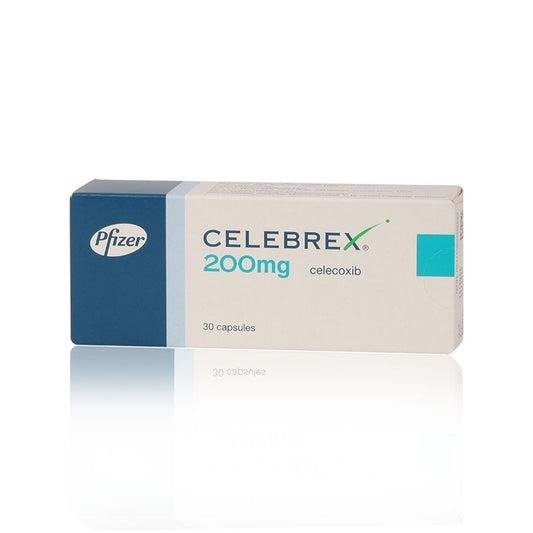
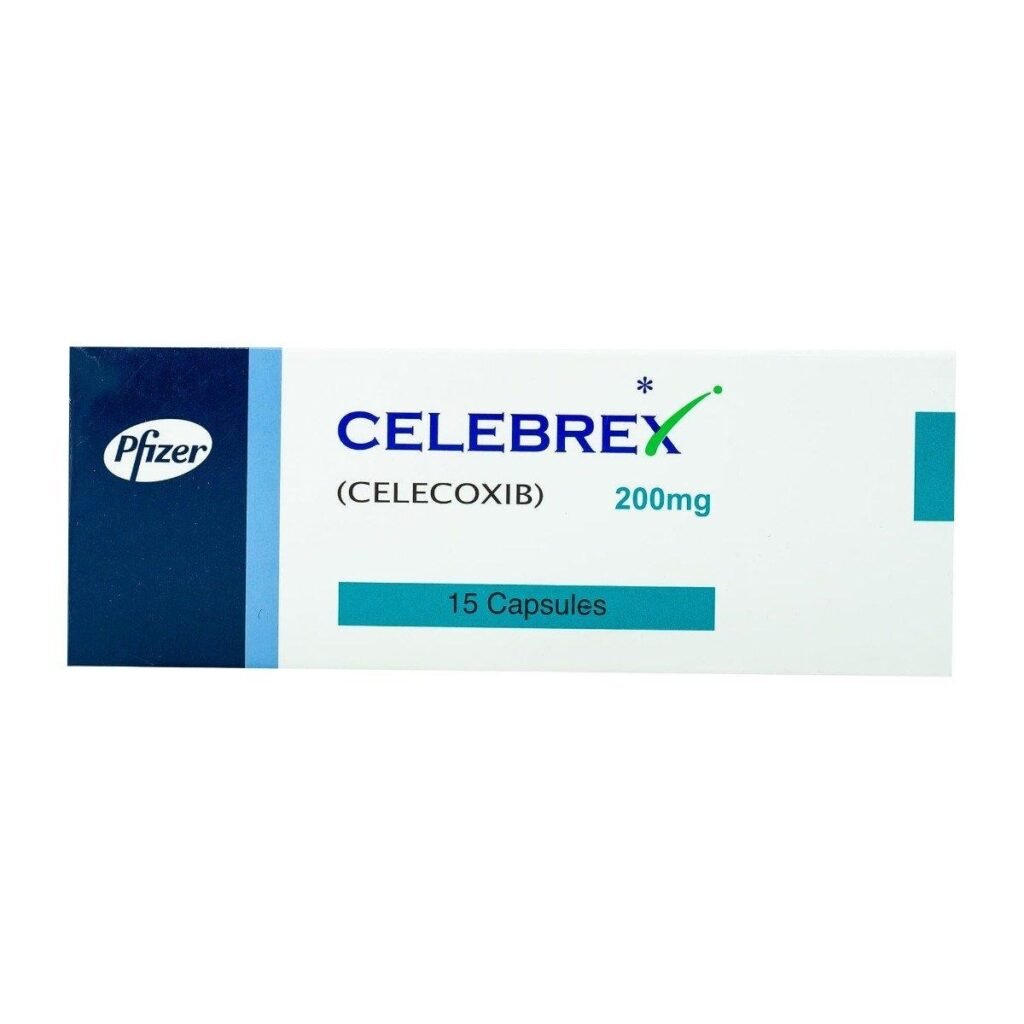


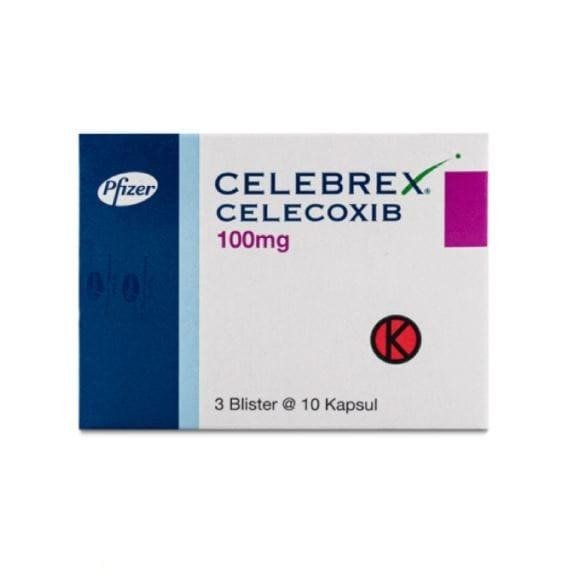
Celebrex is a prescription pain-relief medicine.
Its medical name is celecoxib.
It belongs to a group called NSAIDs (non-steroidal anti-inflammatory drugs).
Simple Features:
- Reduces pain and swelling
- Used for arthritis
- Targets inflammation
- Often gentler on the stomach
Common Uses:
- Arthritis pain
- Joint swelling
- Back pain
- Muscle pain
Real-Life Example:
A person with knee arthritis takes Celebrex daily to reduce pain and move more easily.
What Is Meloxicam?
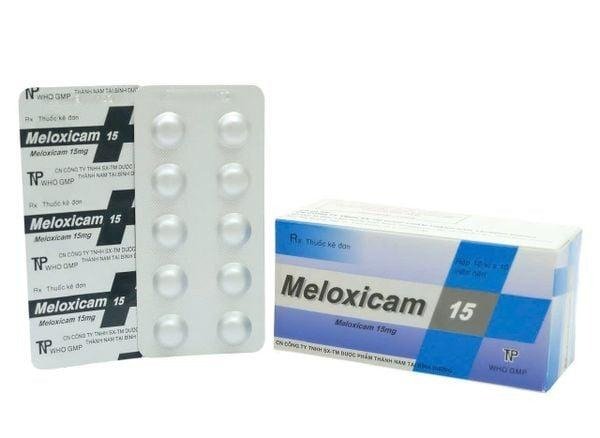
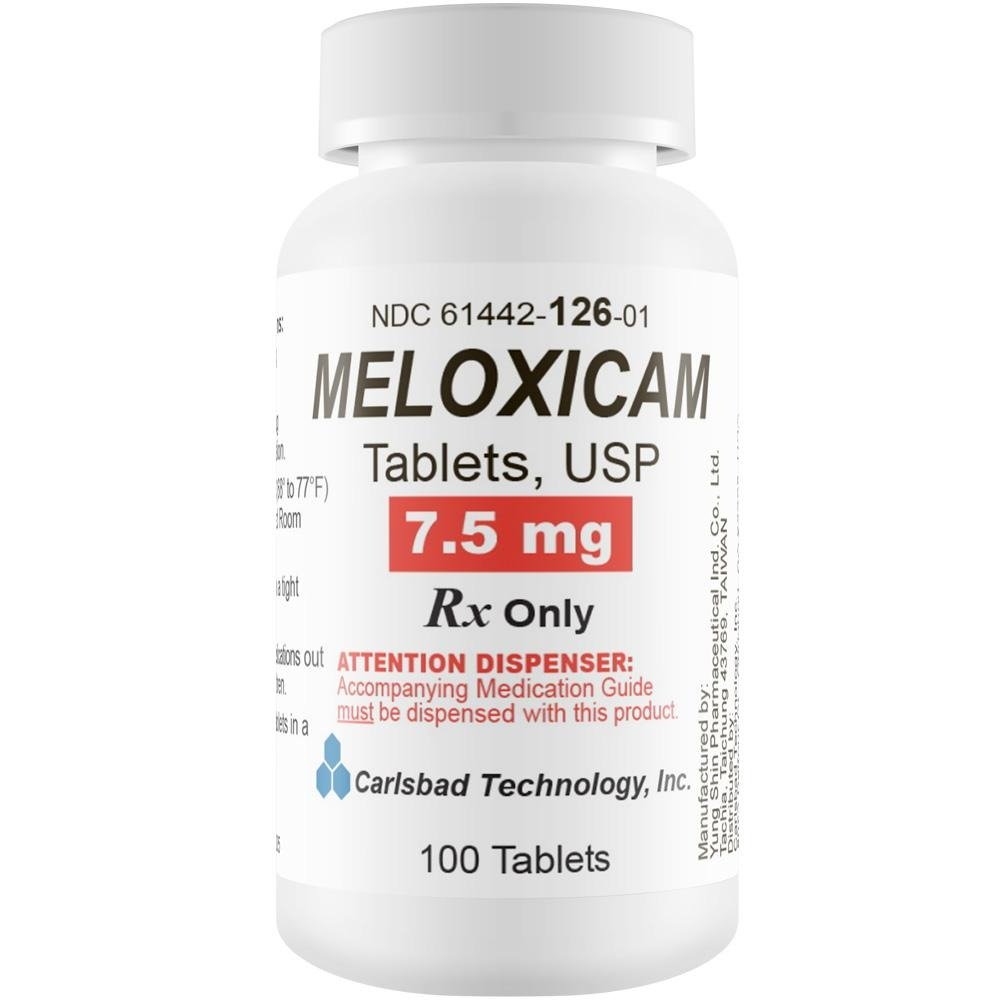

Meloxicam is also a prescription pain and inflammation medicine.
It is another type of NSAID.
Simple Features:
- Reduces pain and swelling
- Works for long time
- Used for chronic conditions
- Taken once daily in many cases
Common Uses:
- Osteoarthritis
- Rheumatoid arthritis
- Muscle inflammation
- Long-term pain
Real-Life Example:
A patient with long-term back pain takes Meloxicam once a day for steady relief.
Difference Between Celebrex and Meloxicam
Here is a simple table to understand the difference between Celebrex and Meloxicam:
| Feature | Celebrex (Celecoxib) | Meloxicam |
| Drug type | COX-2 selective NSAID | Partially selective NSAID |
| Pain relief | Strong for inflammation | Long-lasting relief |
| Stomach safety | Gentler on stomach | Moderate stomach risk |
| Duration | Medium duration | Longer duration |
| Dosage | Often twice daily | Often once daily |
| Common use | Arthritis, acute pain | Chronic arthritis, long-term pain |
| Prescription | Required | Required |
Key Differences Explained
How They Work
Both medicines reduce chemicals that cause pain and swelling.
Celebrex is more selective.
It targets only certain inflammation pathways.
Meloxicam is less selective.
It affects a broader range of inflammation chemicals.
Stomach Safety
Celebrex is usually gentler on the stomach.
It may cause fewer ulcers.
Meloxicam can still affect the stomach if used long-term.
Doctors may recommend stomach protection with it.
Duration of Action
Meloxicam stays longer in the body.
So it is often taken once a day.
Celebrex works for a shorter time.
So it may be taken more than once daily.
Medical Use
Celebrex is often used for:
- Short-term pain
- Arthritis flare-ups
Meloxicam is often used for:
- Long-term arthritis
- Chronic inflammation
Examples
Example 1: Arthritis Patient
- Celebrex: Quick relief during pain flare
- Meloxicam: Daily long-term control
Example 2: Back Pain
- Celebrex: Used for sudden pain
- Meloxicam: Used for ongoing pain
Example 3: Doctor Choice
Doctors choose based on:
- Patient health
- Stomach sensitivity
- Duration of treatment
Importance of Knowing the Difference
Understanding the difference between Celebrex and Meloxicam is important for safety.
It helps you:
- Use medicine correctly
- Avoid side effects
- Follow doctor’s advice properly
Never switch medicines without medical guidance.
Benefits of Understanding Celebrex vs Meloxicam
- Better medicine awareness
- Safer pain management
- Fewer side effects
- Improved treatment results
- Better communication with doctors
- Clear understanding of prescriptions
- Smarter health decisions
Common Mistakes People Make
Mistake 1: Thinking They Are the Same
They are similar but not identical.
Mistake 2: Switching Without Doctor Advice
This can cause health risks.
Mistake 3: Ignoring Side Effects
Both medicines can affect the stomach and heart.
Mistake 4: Overusing Painkillers
Long-term use without monitoring is unsafe.
Real-Life Use
Celebrex Is Used For:
- Short-term arthritis pain
- Sudden inflammation
- Post-injury pain
Meloxicam Is Used For:
- Long-term arthritis care
- Chronic joint pain
- Continuous inflammation
Who Uses Them:
- Arthritis patients
- Elderly patients
- People with chronic pain
Easy Trick to Remember the Difference
Here is a simple trick:
Celebrex = Selective & Safer on the stomach
Meloxicam = Longer-lasting relief
Think like this:
- Celebrex = quick and targeted
- Meloxicam = steady and long-term
Which One Is Better?
There is no single best medicine.
It depends on the patient.
Choose Celebrex When:
- You need a stomach-friendly option
- You need quick inflammation control
Choose Meloxicam When:
- You need long-lasting relief
- You want once-daily dosing
Only a doctor should decide.
FAQs
1. What is the main difference between Celebrex and Meloxicam?
Celebrex is more stomach-friendly and selective, while Meloxicam lasts longer and works broadly.
2. Which is stronger, Celebrex or Meloxicam?
Both are effective. Strength depends on condition and dose.
3. Can I take both together?
No, they are both NSAIDs and should not be combined without medical advice.
4. Which is safer for the stomach?
Celebrex is generally gentler on the stomach.
5. Which lasts longer in the body?
Meloxicam usually lasts longer.
6. Are they used for the same diseases?
Yes, both are used for arthritis and inflammation.
7. Do I need a prescription for both?
Yes, both require a doctor’s prescription.
Conclusion
The difference between Celebrex and Meloxicam is clear when you look at how they work. Celebrex is a more selective pain medicine that is often easier on the stomach. Meloxicam works longer and is commonly used for long-term pain control.
Both belong to the same NSAID family and are used for arthritis and inflammation. However, they are not identical and should not be used interchangeably without medical advice.
The best choice depends on your health condition, pain level, and your doctor’s recommendation. Understanding this difference helps you use pain medicines more safely and effectively in everyday life.