If you love electric guitar music, you have probably heard two popular sounds: distortion and overdrive. Both make the guitar sound “dirty,” powerful, and exciting. But many beginners get confused between them.
At first, they may sound similar. Both add extra gain. Both are used in rock music. But the way they change the sound is very different.
In this article, you will learn the difference between distortion and overdrive in very simple English. We will explain what each one does, how they sound, and when to use them. By the end, you will clearly understand both effects and how to choose the right one.
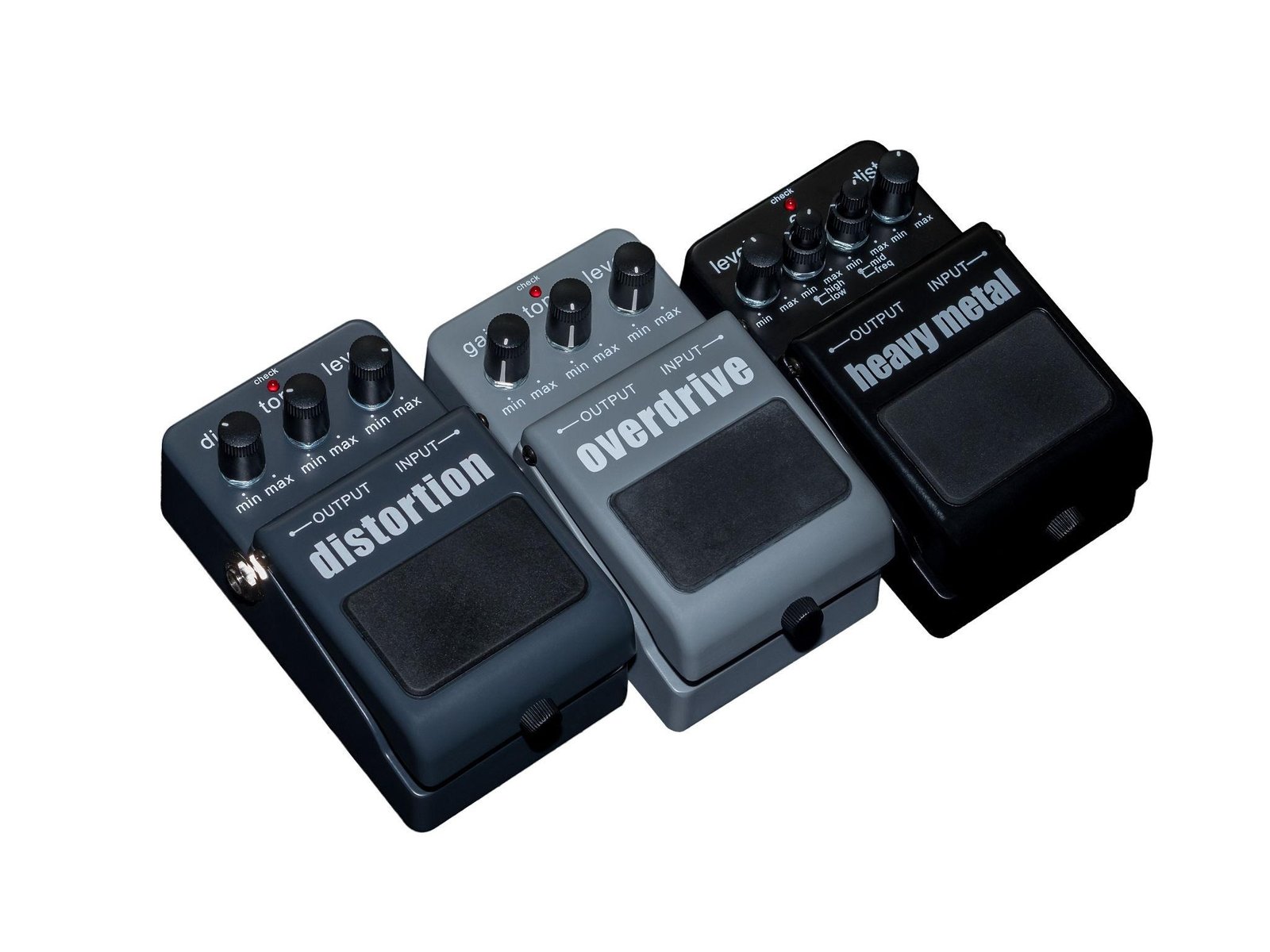
The difference between distortion and overdrive is simple. Overdrive gives a warm, soft, and natural sound like a pushed amplifier. Distortion gives a heavy, sharp, and aggressive sound with much more gain and saturation.
What Is Overdrive?
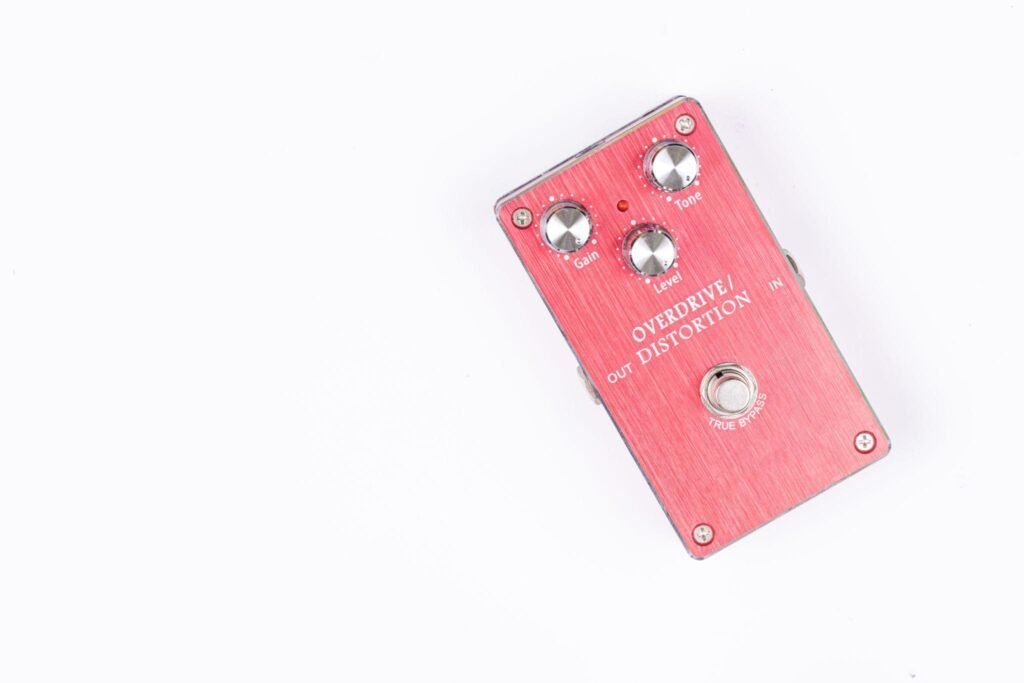

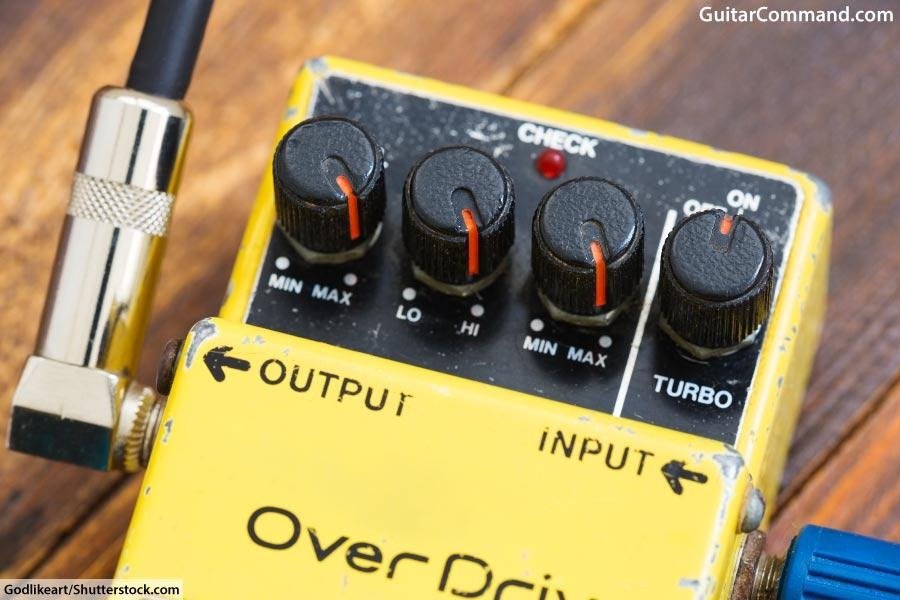
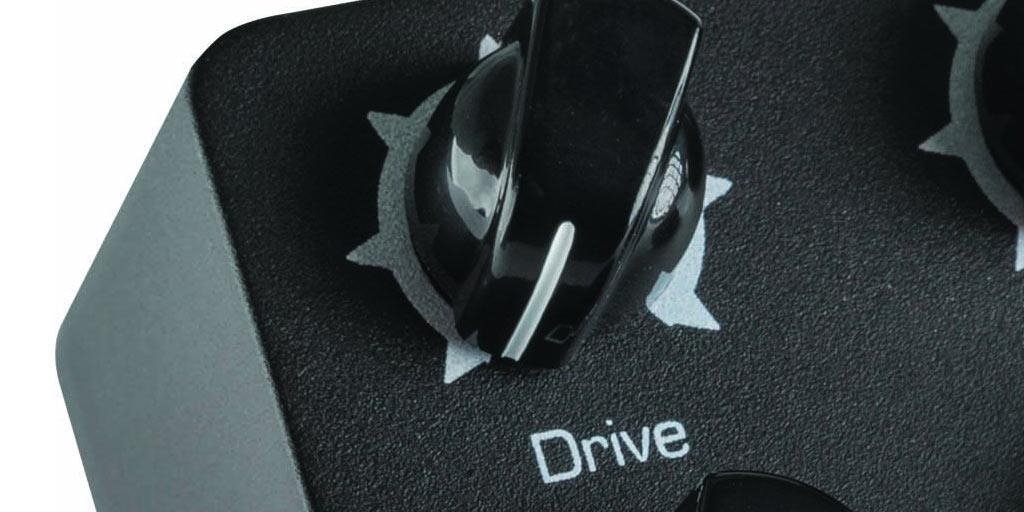


Overdrive is a guitar effect that creates a warm and smooth sound.
It happens when an amplifier is pushed a little hard, like a natural breakup of sound.
Simple Features:
- Soft sound
- Warm tone
- Natural feeling
- Low to medium gain
Sound Style:
- Like a “crunchy” guitar tone
- Not too heavy
- Smooth distortion
Real-Life Example:
Blues or classic rock songs often use overdrive for a natural guitar sound.
What Is Distortion?

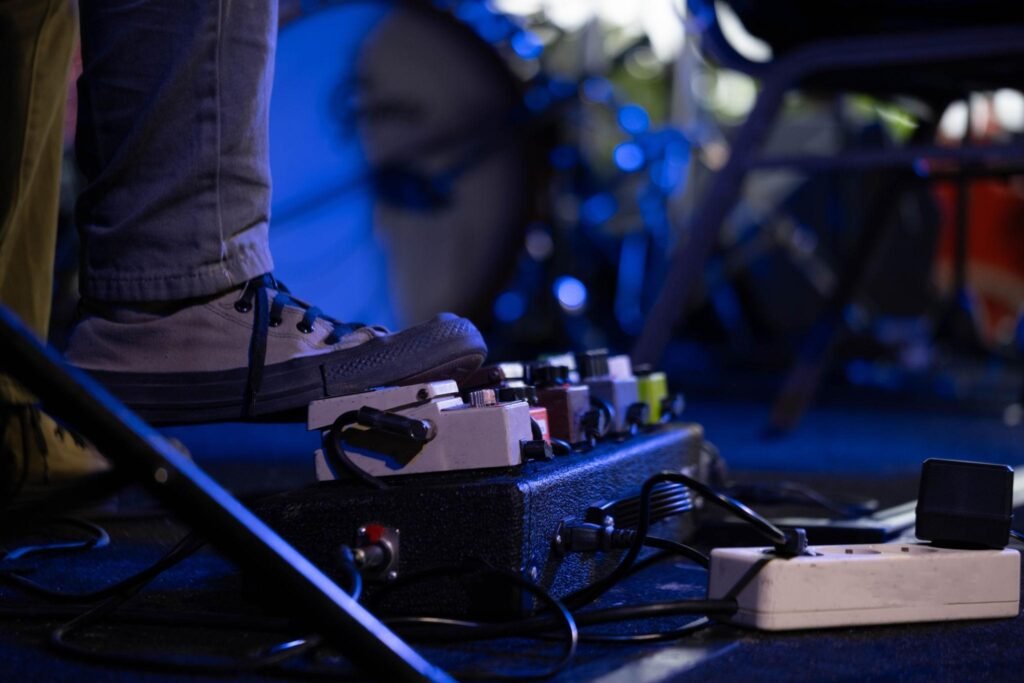
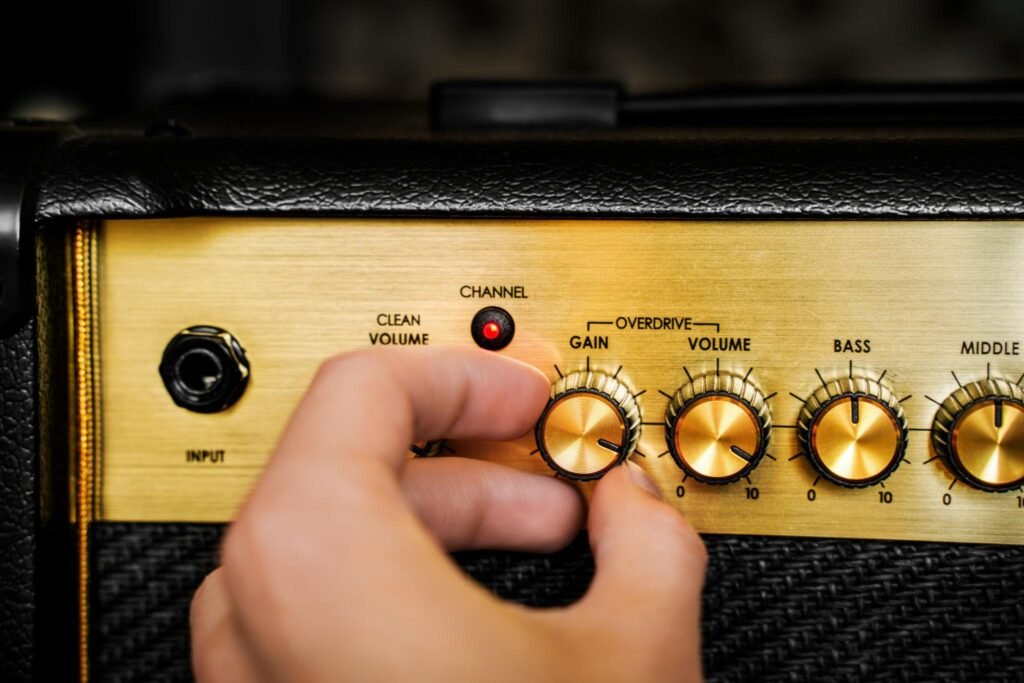
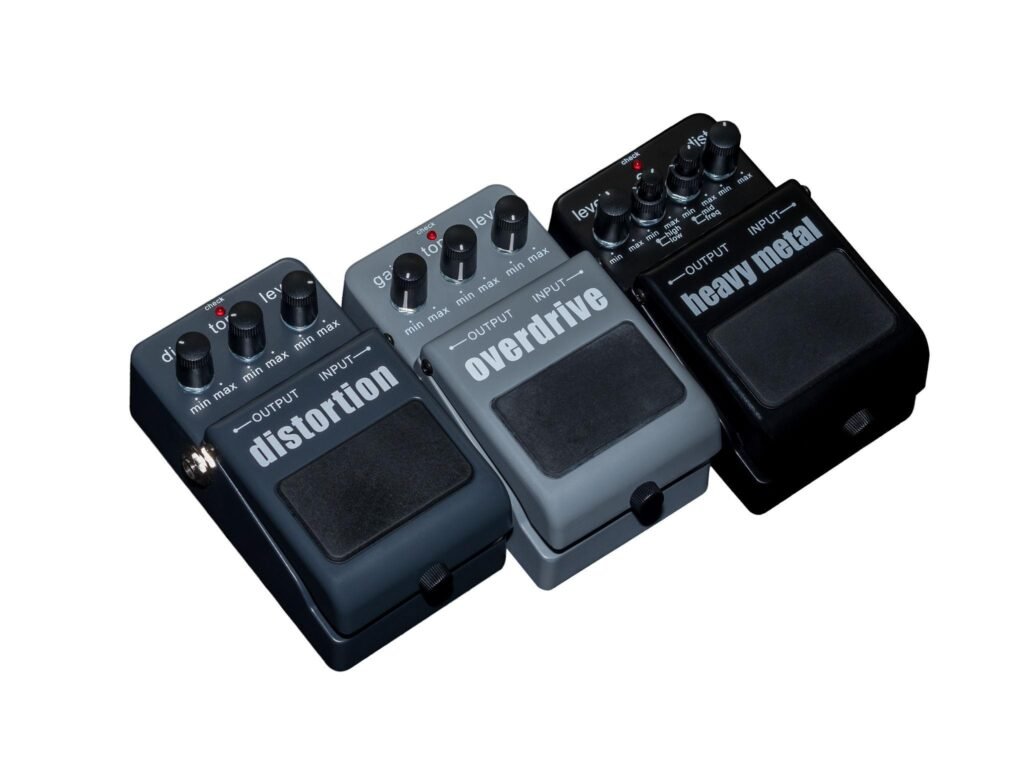
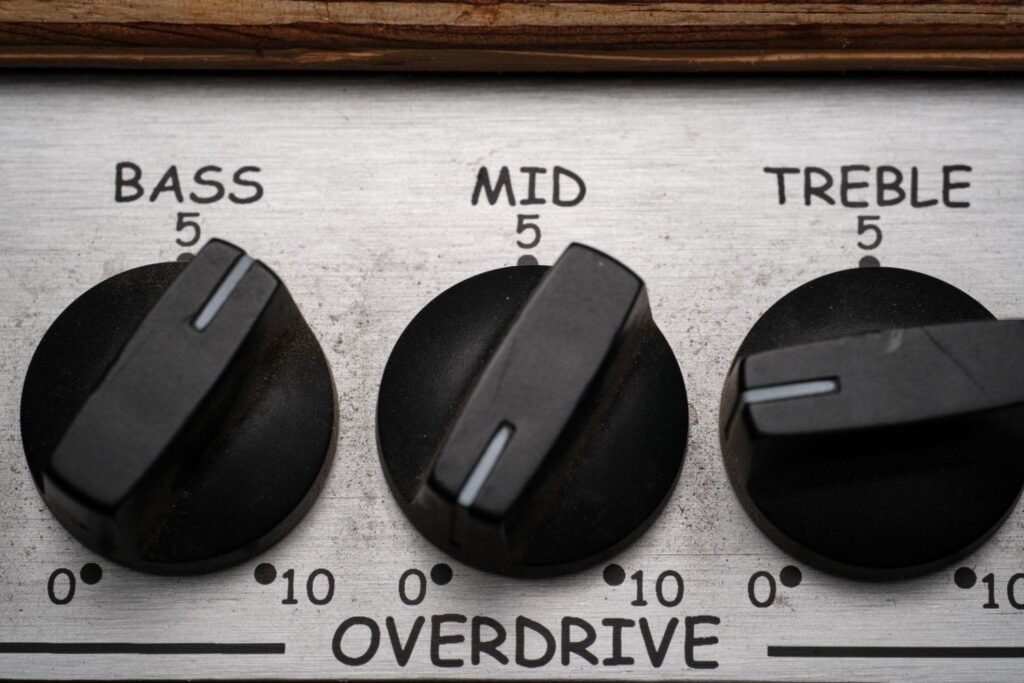

Distortion is a stronger guitar effect that creates a heavy and aggressive sound.
It completely changes the guitar tone into something powerful and sharp.
Simple Features:
- Very loud and heavy sound
- High gain
- Strong saturation
- Used in rock and metal
Sound Style:
- Sharp and aggressive
- Thick and powerful
- Very intense tone
Real-Life Example:
Heavy metal bands use distortion for strong and powerful guitar riffs.
Difference Between Distortion and Overdrive
Here is a simple table to understand the difference between distortion and overdrive:
| Feature | Overdrive | Distortion |
| Sound | Warm and soft | Heavy and aggressive |
| Gain level | Low to medium | High |
| Tone | Natural | Artificial and strong |
| Usage | Blues, rock | Metal, hard rock |
| Feel | Smooth | Rough and powerful |
| Amp effect | Mild breakup | Full saturation |
| Example | Classic rock songs | Heavy metal riffs |
Key Differences Explained
Sound Quality
Overdrive sounds natural.
It feels like a real amplifier being pushed.
Distortion sounds artificial and very strong.
It completely changes the tone.
Gain Level
Overdrive uses less gain.
It keeps the sound soft.
Distortion uses high gain.
It makes the sound very intense.
Music Style
Overdrive is used in:
- Blues
- Classic rock
- Soft rock
Distortion is used in:
- Heavy metal
- Hard rock
- Punk music
Feel of the Sound
Overdrive feels smooth and warm.
Distortion feels rough and aggressive.
Use in Guitar Playing
Overdrive is good for:
- Rhythm guitar
- Light solos
Distortion is good for:
- Heavy riffs
- Powerful solos
Examples
Example 1: Blues Music
A guitarist uses overdrive to get a warm, emotional sound.
Example 2: Metal Song
A band uses distortion to create heavy, powerful riffs.
Example 3: Rock Concert
Overdrive is used in soft parts, and distortion in loud parts.
Example 4: Practice at Home
Beginners often start with overdrive because it is easier to control.
Importance of Knowing the Difference
Understanding the difference between distortion and overdrive helps guitar players make better sound choices.
It helps you:
- Choose the right pedal
- Create the right mood
- Improve music quality
If you use the wrong effect, your music may not sound right.
Benefits of Understanding Overdrive vs Distortion
- Better guitar tone control
- Improved music style matching
- Easier sound setup
- Better performance quality
- Helps beginners learn faster
- Makes music more creative
- Avoids wrong sound choices
Common Mistakes People Make
Mistake 1: Thinking They Are the Same
They are similar but not identical.
Mistake 2: Using Distortion for Everything
Too much distortion can make the sound unclear.
Mistake 3: Confusing Gain Levels
Overdrive is light gain; distortion is heavy gain.
Mistake 4: Ignoring Music Style
Each effect suits different genres.
Real-Life Use
Overdrive Is Used In:
- Blues songs
- Soft rock
- Jazz fusion
Distortion Is Used In:
- Metal music
- Punk rock
- Hard rock
Who Uses Them:
- Guitarists
- Music producers
- Live performers
Easy Trick to Remember the Difference
Here is a simple trick:
Overdrive = Soft push
Distortion = Hard crash
Think like this:
- Overdrive = warm and smooth
- Distortion = loud and heavy
Which One Is Better?
Neither is better.
It depends on your music style.
Choose Overdrive When:
- You want a natural tone
- You play blues or classic rock
- You like soft sounds
Choose Distortion When:
- You want heavy sound
- You play metal or rock
- You want a strong impact
Both are important in music.
FAQs
1. What is the main difference between distortion and overdrive?
Overdrive is soft and warm. Distortion is heavy and aggressive.
2. Which is stronger, overdrive or distortion?
Distortion is much stronger than overdrive.
3. Can overdrive sound like distortion?
Not fully. It is smoother and lighter.
4. Is distortion good for beginners?
Yes, but overdrive is easier to control for beginners.
5. Which is used in rock music?
Both are used depending on the style.
6. Does overdrive damage sound quality?
No, it keeps a natural tone.
7. Can I use both effects together?
Yes, many guitarists combine them for a unique sound.
Conclusion
The difference between distortion and overdrive is easy when you understand how they change sound. Overdrive gives a warm, smooth, and natural tone like a lightly pushed amplifier. Distortion gives a strong, heavy, and aggressive sound used in powerful music styles.
Both effects are important in guitar playing. Overdrive is great for soft and classic tones, while distortion is perfect for heavy and intense music. They are not better or worse, just different tools for different sounds.