
Have you ever heard someone say they’re “living high on the hog” and wondered what pigs have to do with it? You’re not alone. This colorful phrase pops up in songs, movies, and everyday conversation, and it has nothing to do with actual farm animals anymore. In simple terms, high on the hog meaning refers to living a rich, comfortable, or luxurious life. People use it to describe someone who has plenty of money, enjoys the best things, and doesn’t worry about scraping by. In this guide, you’ll learn exactly where the phrase comes from, how to use it correctly, and see real examples that make it easy to remember. By the end, you’ll be using this classic American idiom like a pro.
Quick Answer
If you’re in a hurry, here’s the short version. “High on the hog” means living well, spending freely, and enjoying luxury or comfort. It’s often paired with the word “living,” as in “living high on the hog.” The phrase suggests someone has more money or comfort than the average person, and they’re making the most of it. It can be used in a positive way, like praising someone’s success, or in a slightly critical way, like pointing out that someone is spending too freely.
Meaning or Definition

At its core, “high on the hog” describes a lifestyle full of comfort, wealth, and good living. When someone is “eating high on the hog” or “living high on the hog,” it means they have access to the best food, the nicest homes, expensive cars, or simply more money than they need for basic living.
The phrase is almost always used to talk about a change or a contrast. For example, someone might say, “Ever since he got that new job, he’s been living high on the hog.” This tells us that his lifestyle improved, and now he enjoys things he couldn’t afford before.
It’s important to know that this phrase describes a state of living, not a single moment. You wouldn’t say “I ate high on the hog last night” to describe one fancy dinner. Instead, you’d use it to describe an ongoing lifestyle, like “Since she started her business, she’s been eating high on the hog.”
Here’s a simple breakdown of how the phrase works in a sentence:
| Part of Phrase | Meaning |
| “High” | Refers to something elevated, better, or top-quality |
| “On the hog” | Comes from the best cuts of meat found higher on a pig |
| Full phrase | Living a wealthy, comfortable, or luxurious lifestyle |
Origin or History

The history of “high on the hog” connects directly to how pigs were butchered a long time ago, especially in the rural United States. When a hog (which is another word for a pig) was slaughtered for food, the meat was divided into different cuts. Some cuts came from lower parts of the animal, like the feet, ears, and jowls. These cuts were tougher, cheaper, and often eaten by working-class families or people with less money.
The better cuts, like the loin, ham, and shoulder, came from higher up on the animal’s body. These cuts were more tender, flavorful, and expensive. Wealthier families could afford these “high” cuts, while poorer families often made do with the “low” cuts.
Over time, this literal difference in meat cuts turned into a figure of speech. People began saying that someone who could afford the better cuts was “eating high on the hog.” Eventually, this shifted from describing food alone to describing an entire lifestyle of wealth and comfort.
Language experts believe the phrase became especially popular in the American South during the early 1900s. It later spread across the country and became a common part of everyday American English. Today, most people who use the phrase have no idea it started with pork cuts. They simply know it means living well.
It’s worth noting that some idiom origins are hard to trace with complete certainty, and word historians sometimes disagree on exact dates and details. However, the pig-butchering explanation is the most widely accepted and well-documented origin for this phrase.
Grammar or Correct Usage

Using “high on the hog” correctly is pretty simple once you know the pattern. The phrase almost always follows a verb like “living,” “eating,” or sometimes “riding.” Here are the most common structures:
- Living high on the hog – the most popular version, describing a lifestyle
- Eating high on the hog – closer to the original meaning, often about food or spending
- Riding high on the hog – less common, but still used to mean enjoying success
You can also adjust the phrase slightly depending on tense. For example:
- Present: “They are living high on the hog right now.”
- Past: “She lived high on the hog for years before the business failed.”
- Future: “Once he retires with that pension, he’ll be living high on the hog.”
One common grammar mistake is dropping the word “the.” People sometimes say “high on hog” instead of “high on the hog.” This isn’t correct in standard English and can confuse readers or listeners. Always keep the word “the” in place.
Another mistake is using the phrase for a single event rather than a lifestyle. Saying “We ate high on the hog at that one wedding” is a bit of a stretch, since the phrase usually implies an ongoing pattern, not a single meal. It’s better used for describing how someone lives over a period of time.
British vs American English
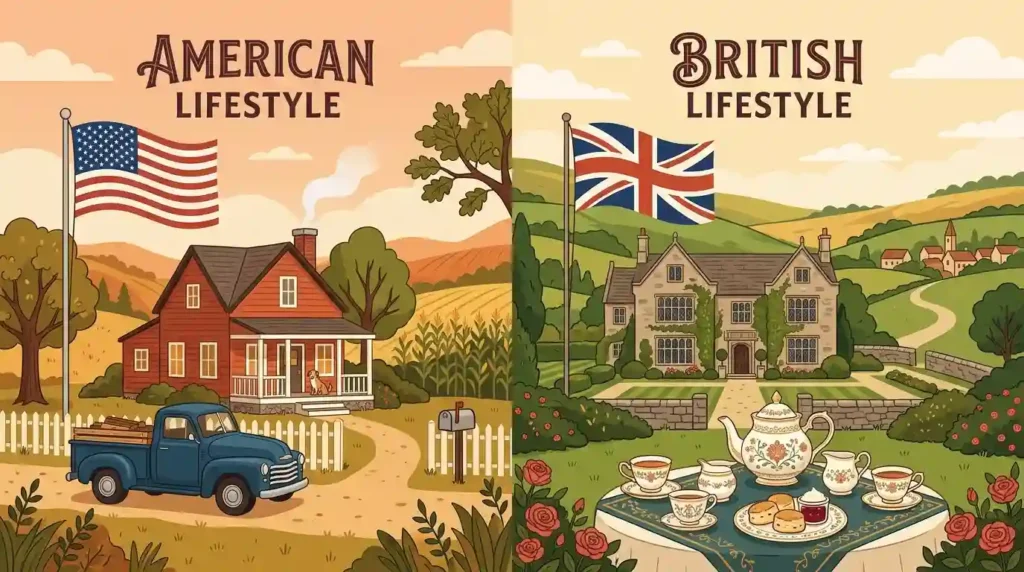
“High on the hog” is a distinctly American phrase, and it’s rarely used in British English. If you’re writing for a British audience, they might understand the meaning through context, but they wouldn’t typically use this idiom themselves.
In British English, people are more likely to use phrases like “living the life of Riley” or “living in the lap of luxury” to express the same idea. Both phrases mean roughly the same thing: enjoying a comfortable, wealthy lifestyle.
Here’s a quick comparison table to show similar idioms across English varieties:
| American English | British English | Meaning |
| High on the hog | Life of Riley | Living luxuriously |
| Living large | Rolling in it | Having lots of money |
| Eating high on the hog | Living in the lap of luxury | Enjoying the best things in life |
If you’re writing or speaking for an American audience, “high on the hog” is a great, natural-sounding choice. If your audience is mostly British, Australian, or from another English-speaking country, they may find the phrase unfamiliar, even if the meaning eventually becomes clear from context.
Common Mistakes
Even though “high on the hog” isn’t a complicated phrase, people still make a few common errors when using it. Let’s go through them so you can avoid these slip-ups.
The first mistake, as mentioned earlier, is dropping “the” from the phrase. It’s “high on the hog,” not “high on hog.” Skipping the article makes the sentence sound off to native English speakers.
The second mistake is using the phrase to describe a single object or purchase rather than a lifestyle. For example, saying “That watch is high on the hog” doesn’t quite work. Instead, you’d say something like, “Wearing a watch like that is a sign he’s living high on the hog.”
A third mistake is confusing this idiom with similar-sounding phrases. Some people mix it up with “high off the hog,” which is actually a variation used in certain regions, particularly in African American Vernacular English and some Southern dialects. Both versions are understood, but “high on the hog” is more common in mainstream and written American English.
Finally, some writers overuse the phrase, sprinkling it into every sentence about money or success. Like any idiom, it works best when used sparingly and in the right context. Overusing any expression can make writing feel repetitive rather than natural.
Real-Life Examples
Seeing the phrase in action can make it much easier to understand and remember. Here are several examples showing “high on the hog” used in different situations.
In everyday conversation, a friend might say, “Ever since Maria got that promotion, she’s been living high on the hog. Did you see her new car?” This shows how the phrase naturally fits into casual talk about someone’s improved financial situation.
In writing about business, you might read something like, “The company’s executives were living high on the hog while factory workers struggled to pay rent.” This example shows the phrase being used to highlight a contrast or even criticize unfair wealth distribution.
In music and pop culture, the phrase has appeared in country and blues songs for decades, often describing good times, good food, and carefree living. Musicians have long used it to paint a picture of comfort and celebration.
In historical context, you might come across a sentence like, “During the oil boom, many local families went from barely getting by to living high on the hog almost overnight.” This shows how quickly the phrase can describe a dramatic change in lifestyle.
Here’s a simple example table showing the phrase used in different tones:
| Sentence | Tone |
| “After winning the lottery, they lived high on the hog.” | Positive/celebratory |
| “He’s living high on the hog on his parents’ money.” | Slightly critical |
| “The whole town was eating high on the hog during harvest season.” | Neutral/descriptive |
Current Usage or Trends

Although “high on the hog” has roots that go back over a century, it’s still very much alive in modern American English. You’ll hear it used by news commentators discussing wealth gaps, by casual speakers talking about lottery winners, and even in social media captions about vacations or expensive purchases.
The phrase has also found a home in country music, hip-hop, and blues lyrics, where it’s often used to describe success, wealth, or a good time. This keeps the idiom relevant to younger generations who might not know its farming origins but still understand its meaning through cultural exposure.
In writing, especially in casual blogs, opinion pieces, and conversational content, “high on the hog” adds color and personality. It’s a great alternative to more generic phrases like “wealthy” or “living well,” giving writing a bit more flavor and regional charm.
Tips or Best Practices
If you want to use “high on the hog” naturally and correctly, keep a few simple tips in mind. First, remember that it works best to describe an ongoing lifestyle rather than a single event. Second, pair it with verbs like “living” or “eating” for the most natural sound. Third, use it sparingly in your writing so it stands out rather than feeling repetitive.
It’s also helpful to think about your audience. If you’re writing for American readers, especially those familiar with Southern or folksy expressions, this idiom will land well. If your audience is international or unfamiliar with American idioms, consider briefly explaining the meaning the first time you use it.
Lastly, feel free to have fun with the phrase in creative writing, but avoid using it in very formal documents, like legal writing or academic papers, where idioms generally feel out of place.
FAQs
What does “living high on the hog” mean?
It means living a wealthy, comfortable, or luxurious lifestyle, often with access to the best food, homes, and experiences that money can buy.
Where does the phrase “high on the hog” come from?
It comes from pig butchering traditions, where the best and most expensive cuts of meat came from higher up on the pig’s body, while cheaper cuts came from lower parts.
Is “high on the hog” still used today?
Yes, it’s still commonly used in American English, especially in casual conversation, music, and writing about wealth or lifestyle changes.
Is “high on the hog” the same as “high off the hog”?
They mean the same thing, but “high on the hog” is more standard in mainstream American English, while “high off the hog” is a regional variation.
Can I use “high on the hog” in formal writing?
It’s best to avoid it in formal or academic writing since it’s an informal idiom. It works well in casual blogs, conversation, and creative writing.
Is this phrase used outside the United States?
It’s mostly used in American English and isn’t common in British, Australian, or other English varieties, though people from those regions may still understand it from context.
Conclusion
Now you know that “high on the hog” isn’t about pigs at all anymore, at least not directly. It’s a colorful American idiom that means living a wealthy, comfortable, and often luxurious lifestyle. The phrase traces back to old butchering practices, where the best cuts of meat came from higher parts of the pig, while cheaper cuts came from lower down. Over time, this simple food-based difference turned into a lasting expression about wealth and comfort. If you’re writing a story, having a casual conversation, or just curious about English idioms, you now have everything you need to use “high on the hog” correctly and confidently. Try working it into your next conversation about lottery winners, career success, or just good old-fashioned good living.