
Buying a home comes with a lot of new words. One term you will hear near the end of your loan process is clear to close. In simple words, clear to close means your mortgage lender has checked everything and says you are ready to sign your final papers and get the keys to your new home. This one phrase can feel like a huge relief after weeks of paperwork, phone calls, and waiting. In this article, you will learn exactly what clear to close means, how long it usually takes, what can go wrong, and what steps come right after you get this good news. By the end, you will feel much more confident about this final stretch of the home buying journey.
Quick Answer
Clear to close means your lender has finished reviewing your loan file and found no more problems. Every document has been checked, your income and credit have been confirmed, and the home has passed its appraisal. Once you are clear to close, you can schedule your closing day and sign the papers to officially become a homeowner. This is one of the last steps before you get your keys.
Meaning or Definition of Clear to Close

The term clear to close comes from the mortgage underwriting process. Underwriting is the step where a lender looks closely at your finances to decide if you qualify for a home loan. During this stage, an underwriter checks your pay stubs, bank statements, tax returns, credit score, and debts.
When the underwriter is happy with everything, they remove all “conditions” from your loan file. A condition is simply something the lender needed more proof of, like an extra pay stub or a letter explaining a large deposit. Once every condition is cleared, your loan moves into “clear to close” status.
This status tells everyone involved, including your real estate agent, title company, and loan officer, that your loan is fully approved. There is nothing left standing between you and your closing day, other than a few final checks and signatures.
How the Loan Process Leads to Clear to Close
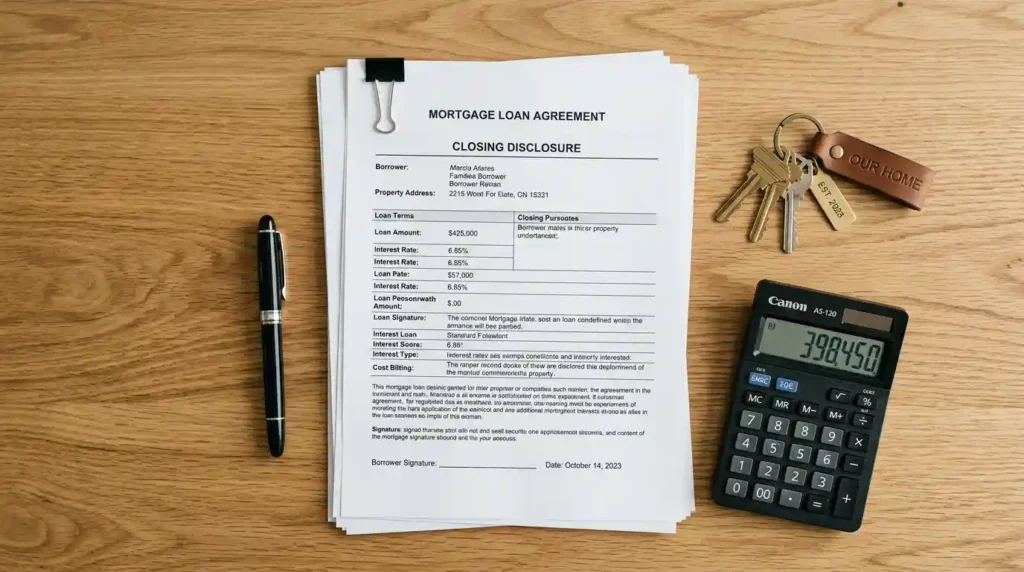
Getting to clear to close is not one single step. It is the final result of a longer process. Here is a simple table that shows the usual steps in order.
| Step | What Happens |
| Pre-approval | Lender checks basic financial details before you shop for a home |
| Application | You submit a full loan application after finding a home |
| Processing | Lender collects documents like pay stubs and bank records |
| Underwriting | An underwriter reviews your file closely for risk |
| Conditional Approval | Loan is approved but some documents are still needed |
| Clear to Close | All conditions are met, and the loan is fully approved |
| Closing Day | You sign final papers and receive the keys |
As you can see, clear to close sits near the very end. It means the hard part of proving your finances is done, and now it is mostly a matter of scheduling and signing.
How Long Does Clear to Close Take?

Many buyers want to know how long they must wait for this final approval. On average, it takes about three to seven days after underwriting finishes to reach clear to close. However, this can change based on a few things.
If your loan file was simple, with steady income and no unusual bank deposits, you might get clear to close faster. If there were extra conditions, such as needing a letter from your employer or fixing an error on your credit report, it could take longer. Busy lenders, holidays, or slow document turnaround from your side can also add delays.
Most home purchase agreements allow around 30 to 45 days from contract to closing, so lenders try to reach clear to close with enough time left to schedule the closing appointment properly.
What Happens Between Clear to Close and Closing Day

Getting clear to close does not mean you walk straight into signing papers the same day. A few important steps still happen in between.
First, your lender prepares your Closing Disclosure. This document lists your final loan terms, monthly payment, and closing costs. By law, you must receive this at least three business days before closing so you have time to review it.
Second, you will do a final walkthrough of the home. This lets you check that the property is in the same condition as when you agreed to buy it, and that any repairs promised by the seller were completed.
Third, you need to arrange your down payment and closing costs, usually through a wire transfer or cashier’s check, exactly as your title company instructs.
Finally, you will attend the closing appointment itself, where you sign the mortgage documents, pay any remaining costs, and officially take ownership of the home.
Common Mistakes Buyers Make After Clear to Close

Even after hearing the good news, many buyers accidentally cause new problems. Lenders often do a final check right before closing, so your financial picture needs to stay the same.
One common mistake is making a large purchase, like buying new furniture or a car, on credit before closing. This can raise your debt and hurt your approval. Another mistake is changing jobs during this time, since lenders want to see stable employment. Some buyers also forget to avoid opening new credit cards or taking out new loans, which can lower their credit score at the worst possible time.
It is also risky to move large sums of money between bank accounts without documentation. Lenders may ask questions about any big deposits, which can slow things down again. The safest choice is to keep your finances exactly as they were when you applied, right up until you have the keys in hand.
Real-Life Example of Clear to Close
Imagine a couple named Mia and Josh who are buying their first home. After they submitted their loan application, the underwriter asked for two more documents: a letter explaining a $2,000 deposit and an updated bank statement. Mia and Josh sent these within two days.
A few days later, their loan officer called and said, “Congratulations, you are clear to close!” This meant the underwriter had no more questions. Their closing was scheduled for the following week. During that time, they avoided opening any new credit cards, did their final walkthrough of the home, and received their Closing Disclosure three days before signing. On closing day, they signed their paperwork and received the keys to their new home, exactly as planned.
This example shows how clear to close is really the finish line of loan approval, not the finish line of the whole process, but it is a very important milestone.
Tips to Reach Clear to Close Faster
There are several smart habits that can help your loan reach clear to close status without unnecessary delays. Below is a simple table with helpful tips.
| Tip | Why It Helps |
| Respond quickly to document requests | Speeds up underwriting review |
| Avoid new loans or credit cards | Keeps your credit score stable |
| Do not change jobs during the process | Shows steady income to the lender |
| Keep bank balances steady | Avoids extra questions about deposits |
| Stay in contact with your loan officer | Helps you catch problems early |
| Save all financial documents in one place | Makes it easy to send proof quickly |
Following these simple habits can make the path to clear to close much smoother and often faster.
Current Trends in Mortgage Approvals
Today, many lenders use digital systems to speed up underwriting. Automated tools can check income and assets faster than manual review, which has shortened the average time to reach clear to close for many buyers. Still, human underwriters usually review the final file before approval, especially for larger loans or unusual financial situations.
Buyers are also encouraged to get fully underwritten pre-approvals before house hunting, since this can shorten the wait after making an offer. This trend has become more common as competitive housing markets reward buyers who can close quickly.
FAQs
1. Does clear to close mean the loan is fully approved?
Yes. Clear to close means your lender has reviewed everything needed and approved your loan with no more conditions left to satisfy.
2. Can something still go wrong after clear to close?
It is rare, but yes. If you take on new debt, change jobs, or if a final title issue appears, your closing could be delayed.
3. How soon after clear to close is closing day?
Usually within a few days to about a week, depending on your lender’s schedule and how quickly documents are prepared.
4. Do I get my keys the same day I get clear to close?
No. Clear to close is the loan approval step. You get your keys after signing all paperwork on your actual closing day.
5. What should I avoid doing after getting clear to close?
Avoid large purchases, new credit accounts, job changes, or big unexplained bank transfers until after closing is complete.
6. Is clear to close the same as final approval?
Yes, in most cases, clear to close is used to describe the final approval stage of a mortgage loan.
Conclusion
Understanding what clear to close means can take a lot of stress out of buying a home. It simply means your lender has finished checking your finances and your loan is fully approved, with nothing left standing in the way of your closing day. From here, you will review your Closing Disclosure, complete a final walkthrough, and prepare your closing funds. The most important thing to remember is to keep your finances steady until you sign the final papers. Avoid new debts, job changes, or large unexplained deposits. With a little patience and care, clear to close is simply the last calm step before you finally get the keys to your new home.